Fragrância e Forma / Fragrance and Form
Exhibition Design, Curatorship (Perfume patrimony)
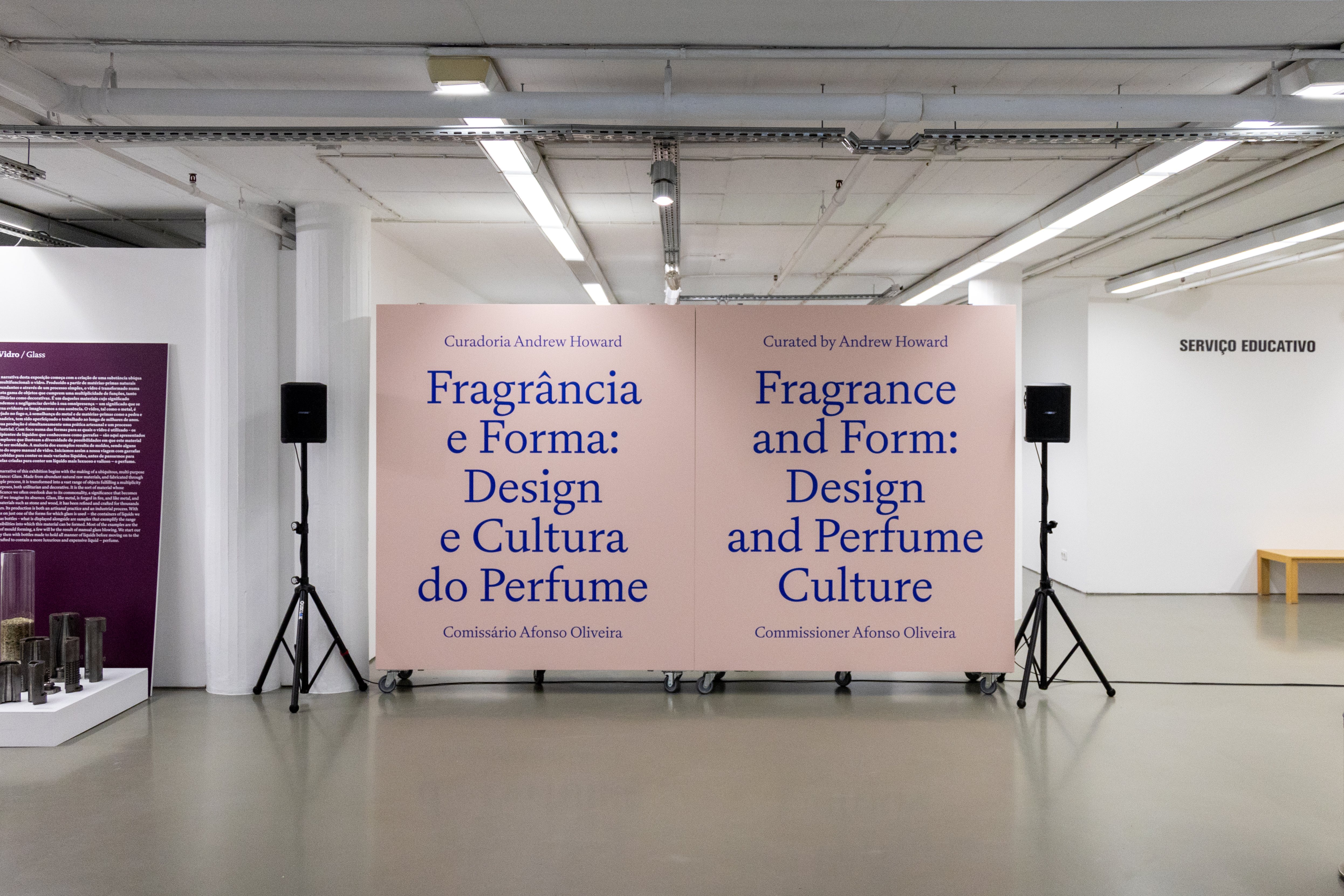
Fragrance and Form: Design and Perfume Culture
Fragrância e Forma: Design e Cultura do Perfume
Research, Curatorship & Exhibition Design
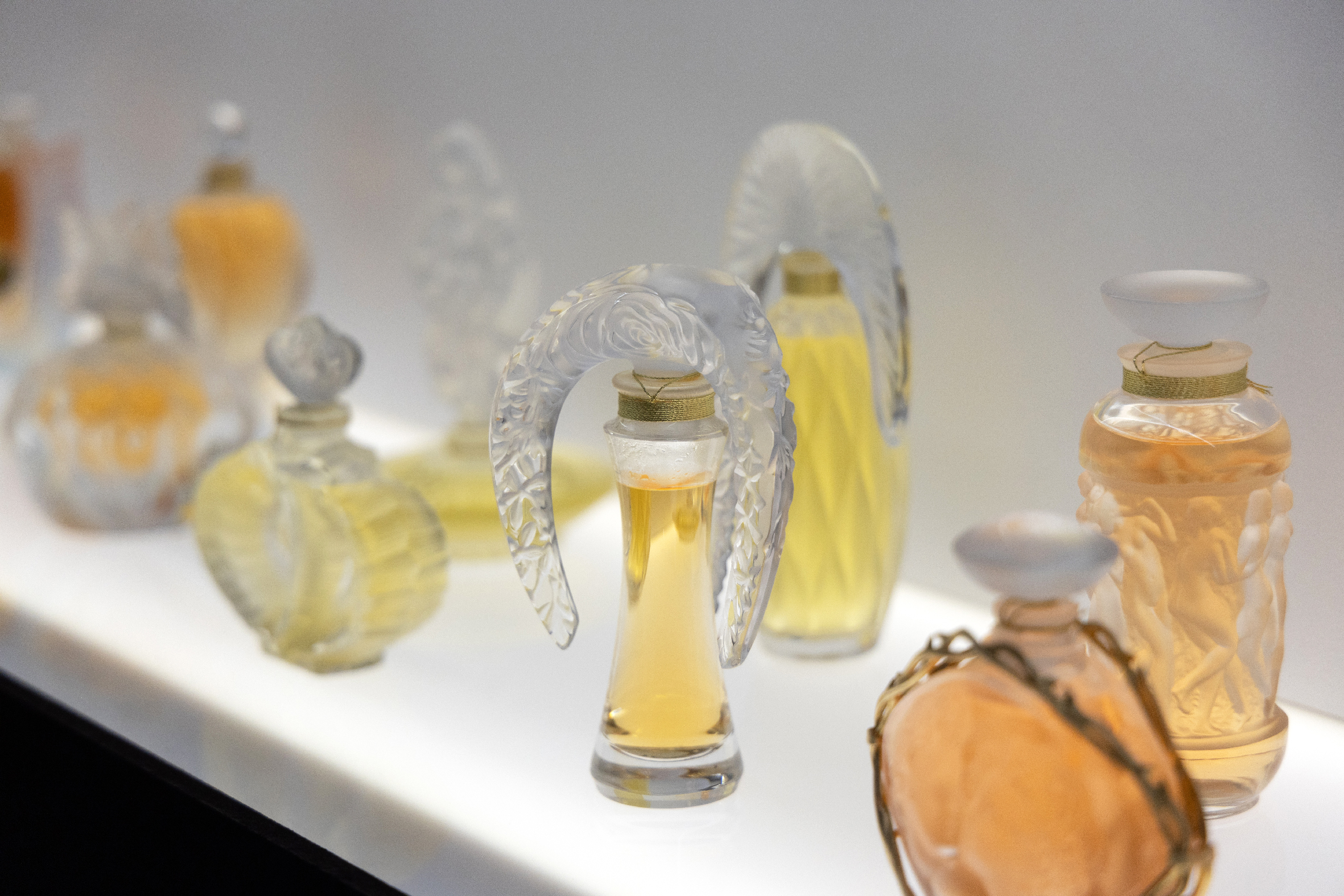
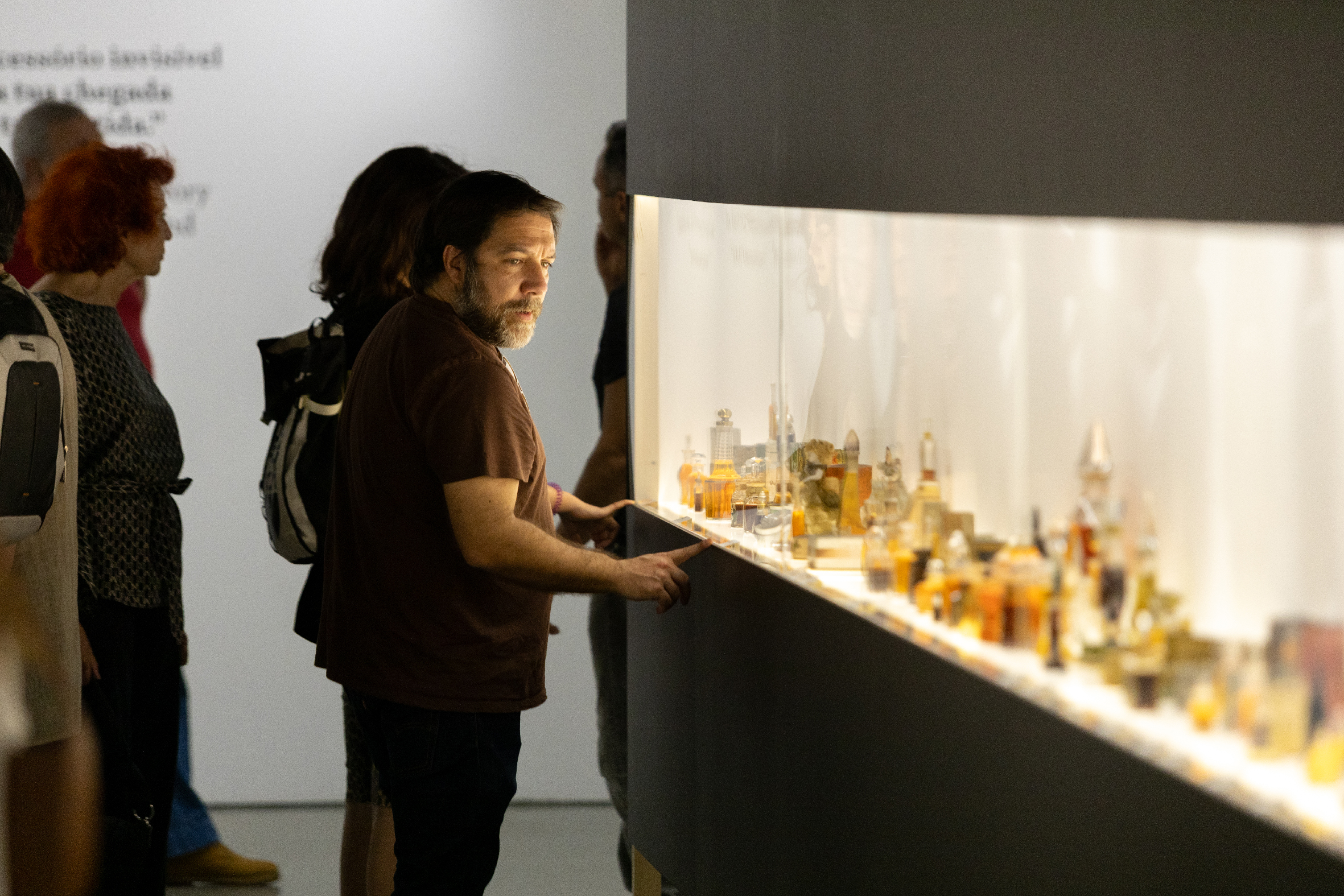
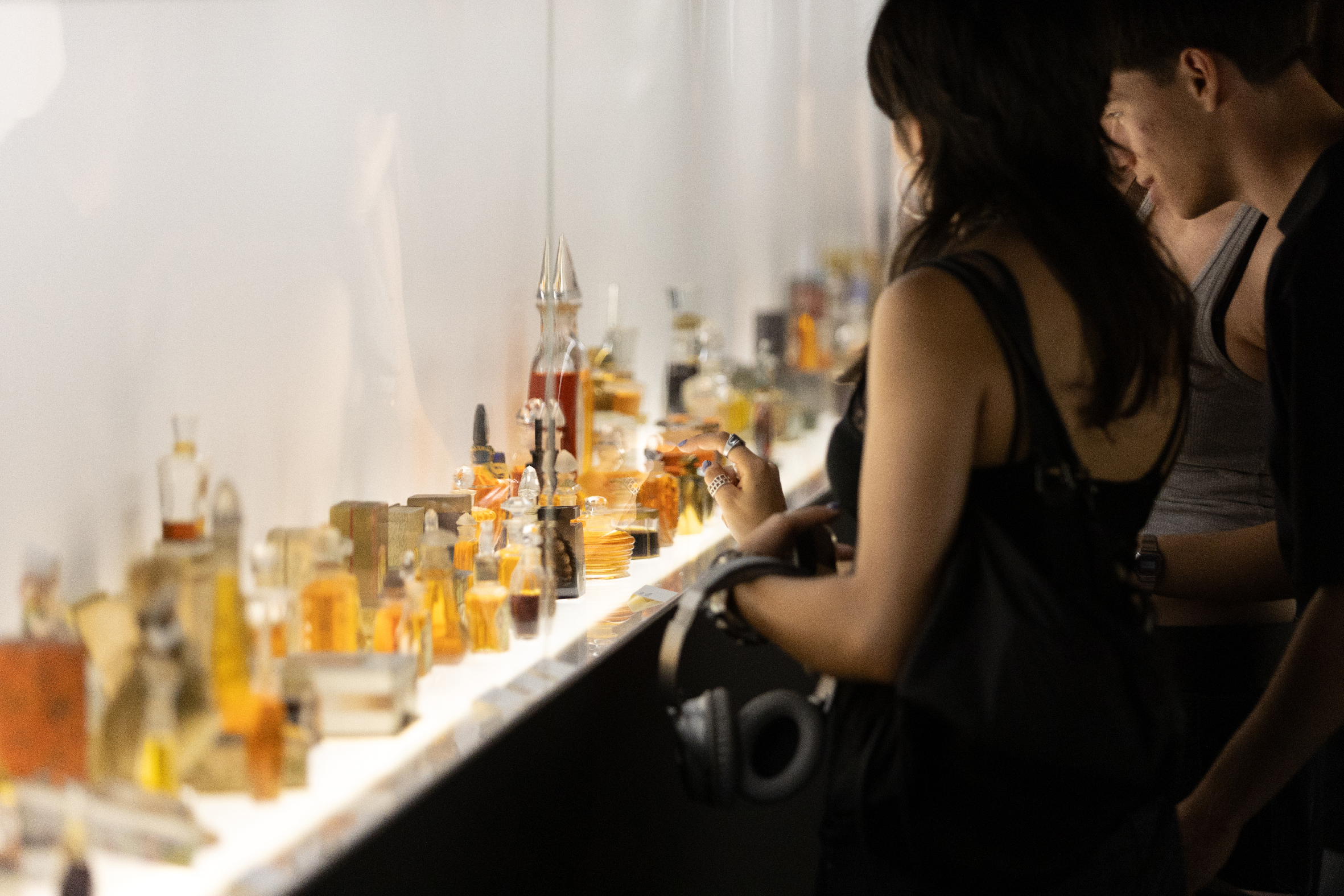
Fragrance and Form is not an exhibition about the making of perfume. It is instead about the idea of perfume, and the materialisation of an aesthetic with which to envelope and market that idea. Perfume itself appeals to our sense of smell but its material embodiment is designed to appeal to our aesthetic sense which is why the objects designed to contain perfume; the often beautifully produced bottles and accompanying packaging materials, are what this exhibition is about. And at its heart is a collection which belongs to long-time collector and connoisseur Afonso Oliveira who has assembled thousands of pieces over the years, of which a few hundred are on display in the Casa de Design.
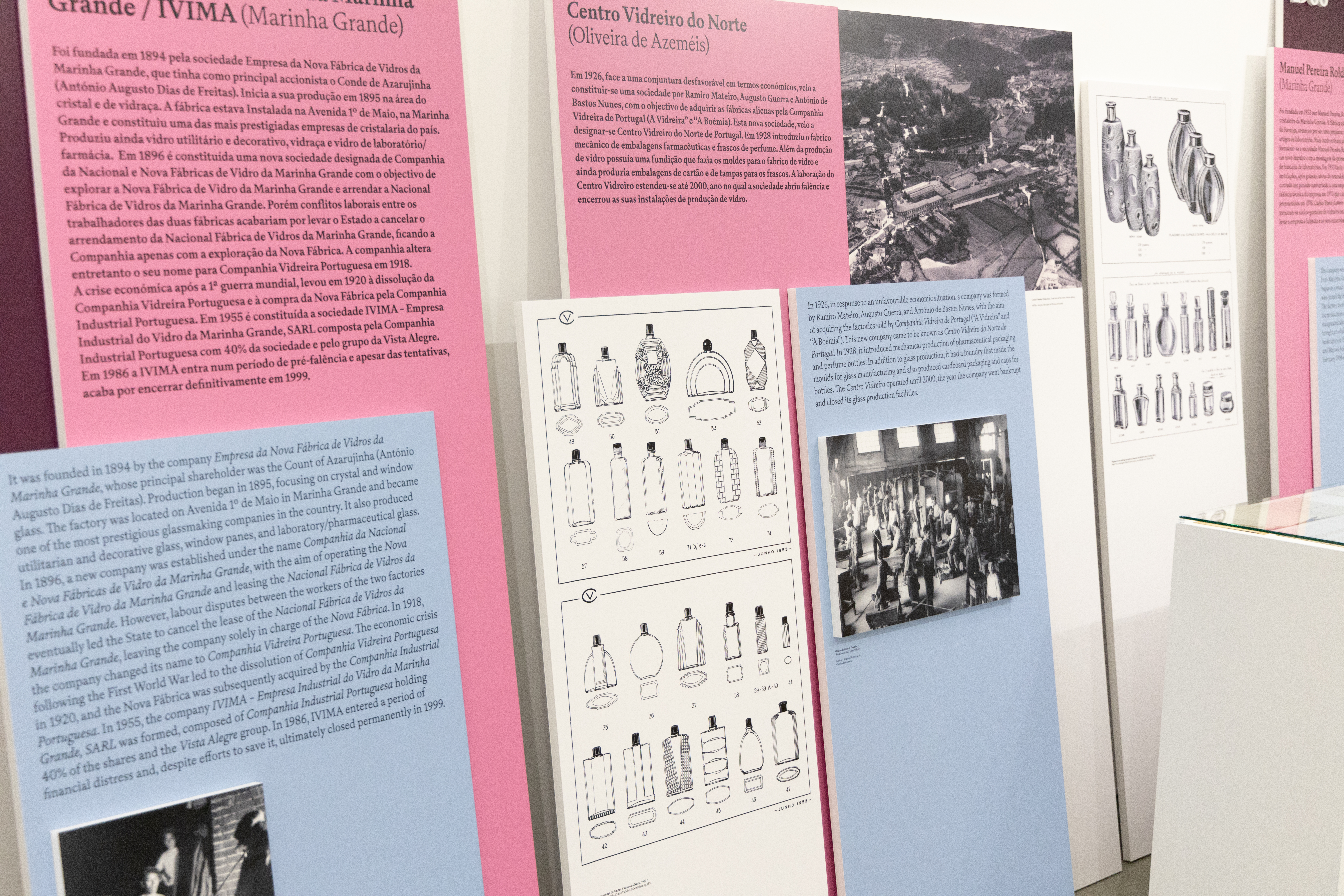
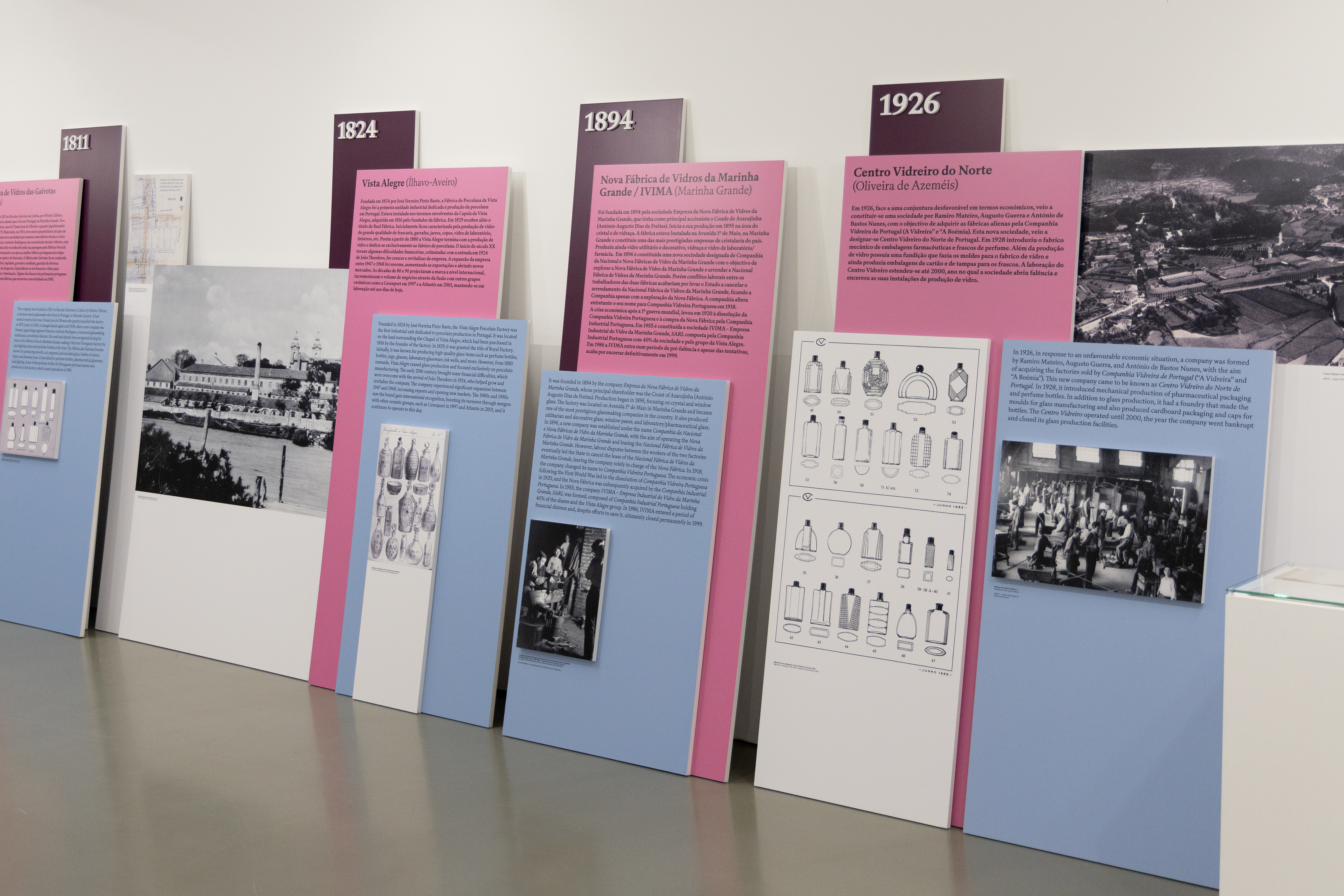
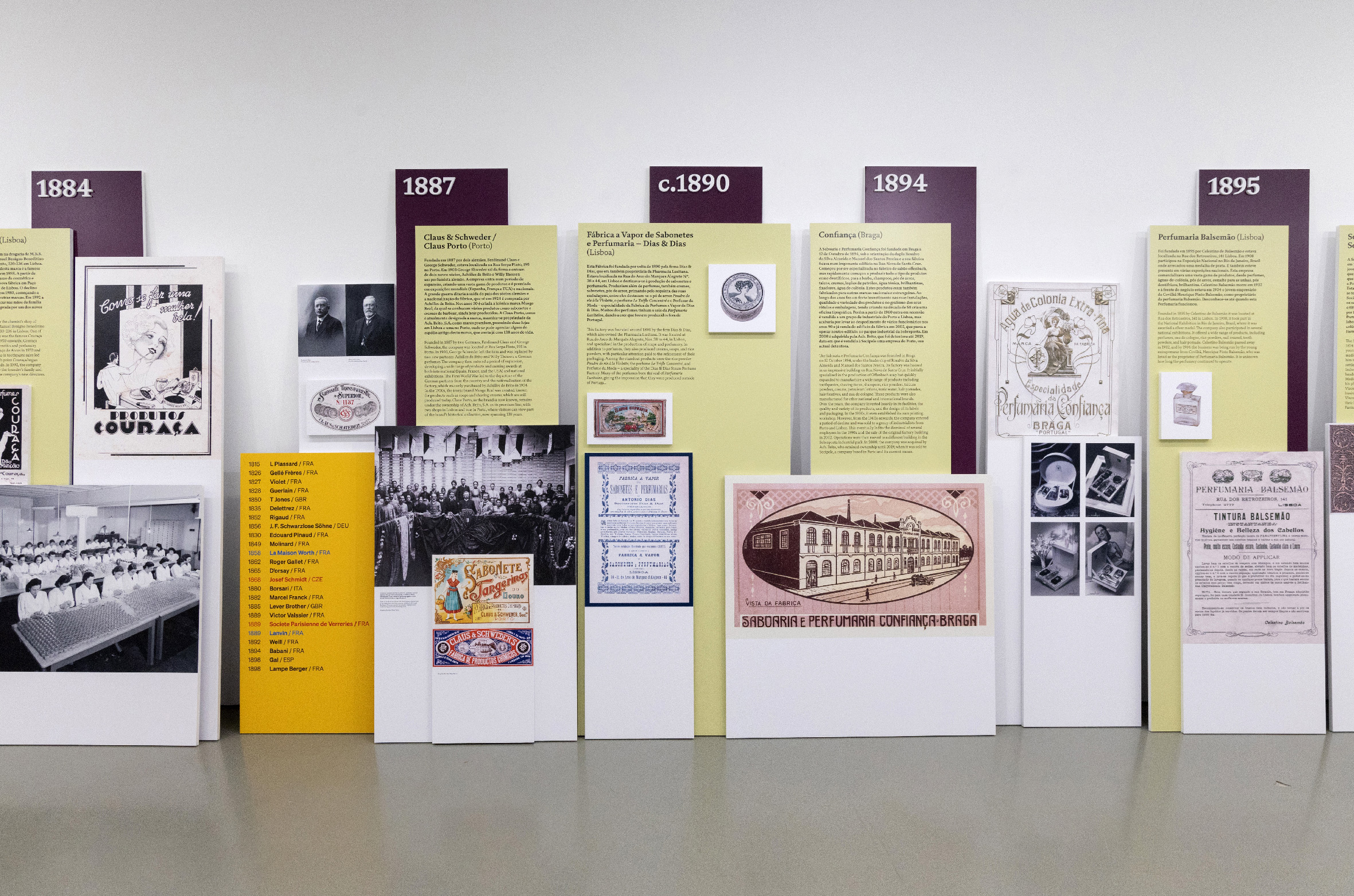
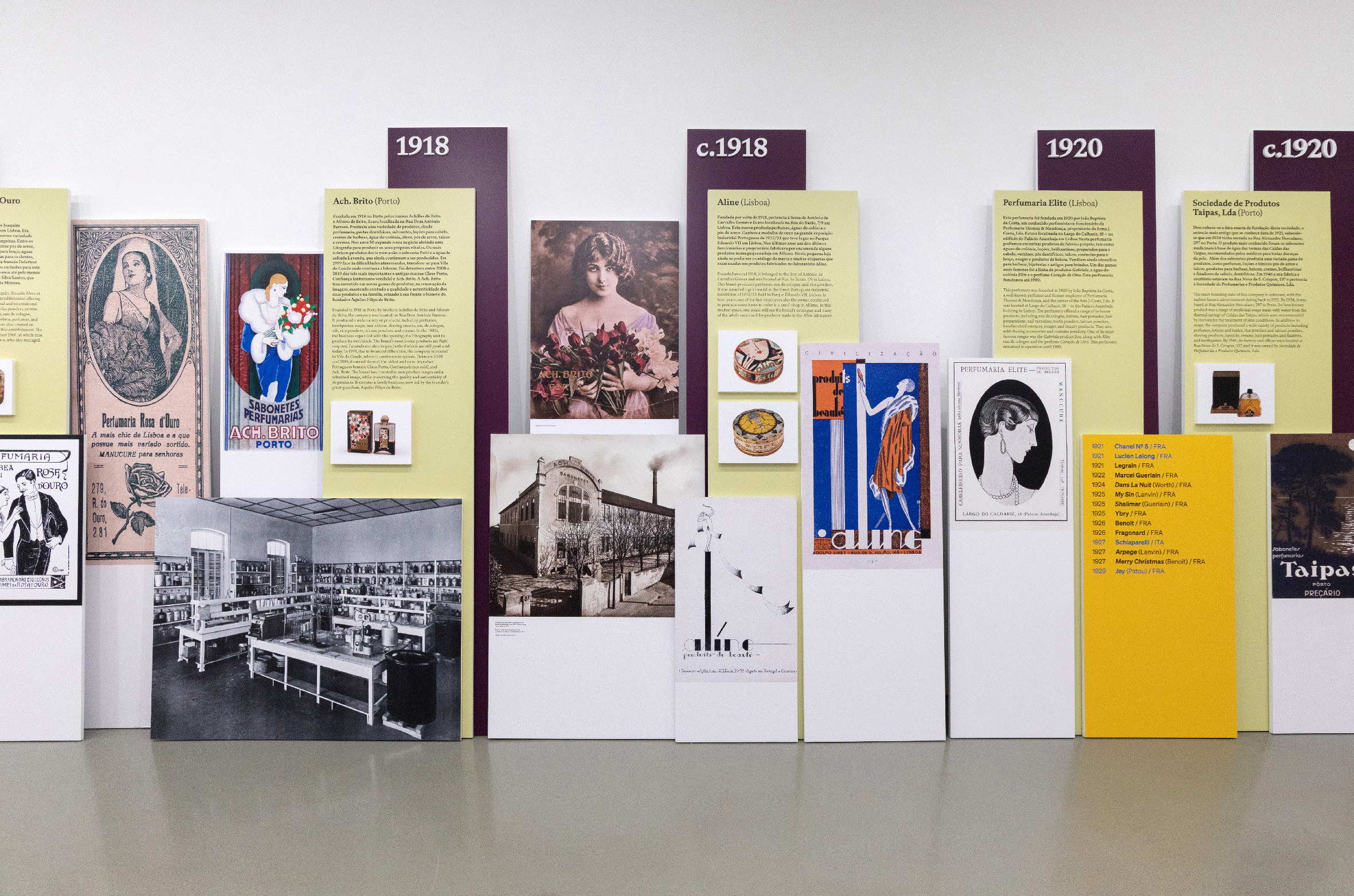
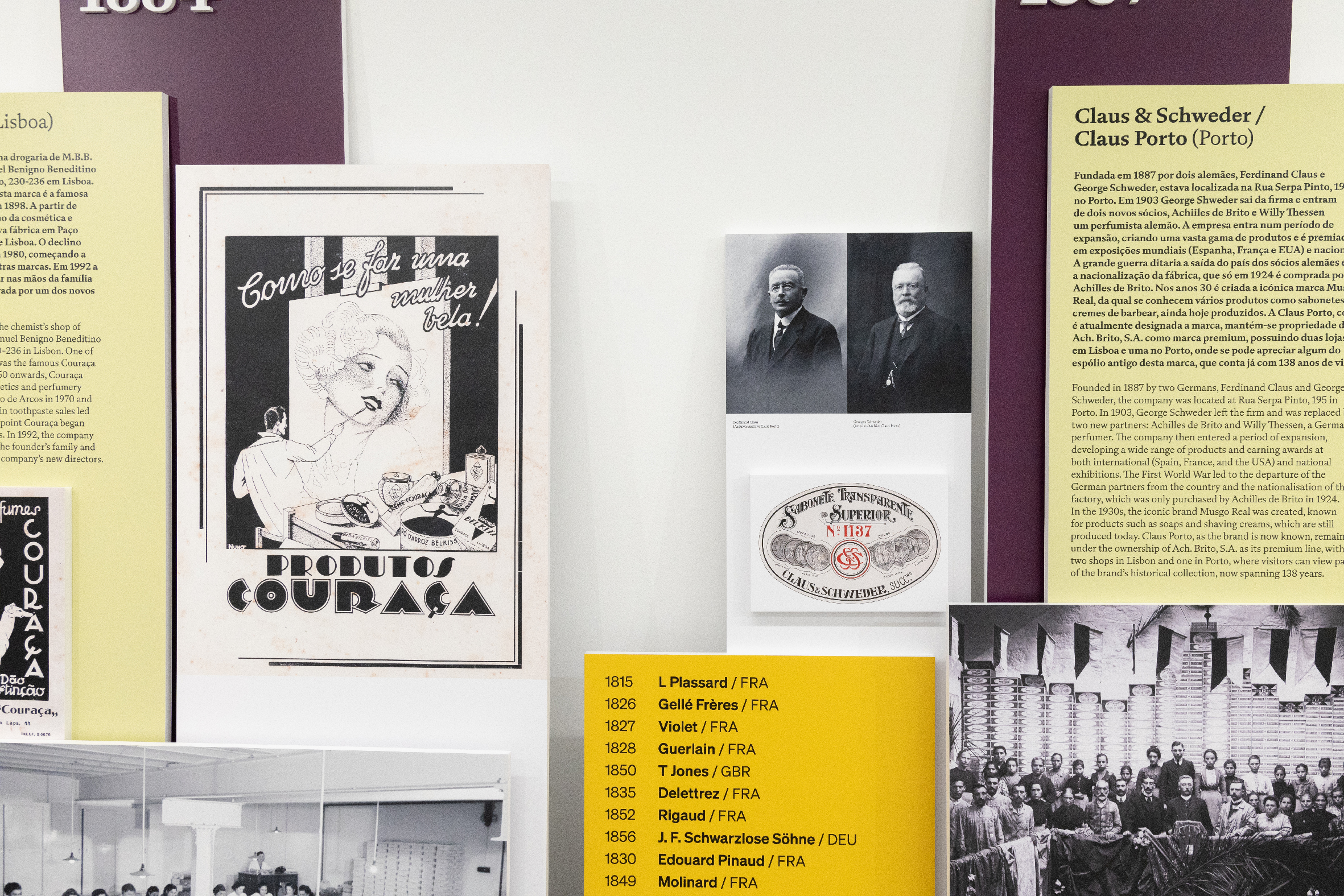
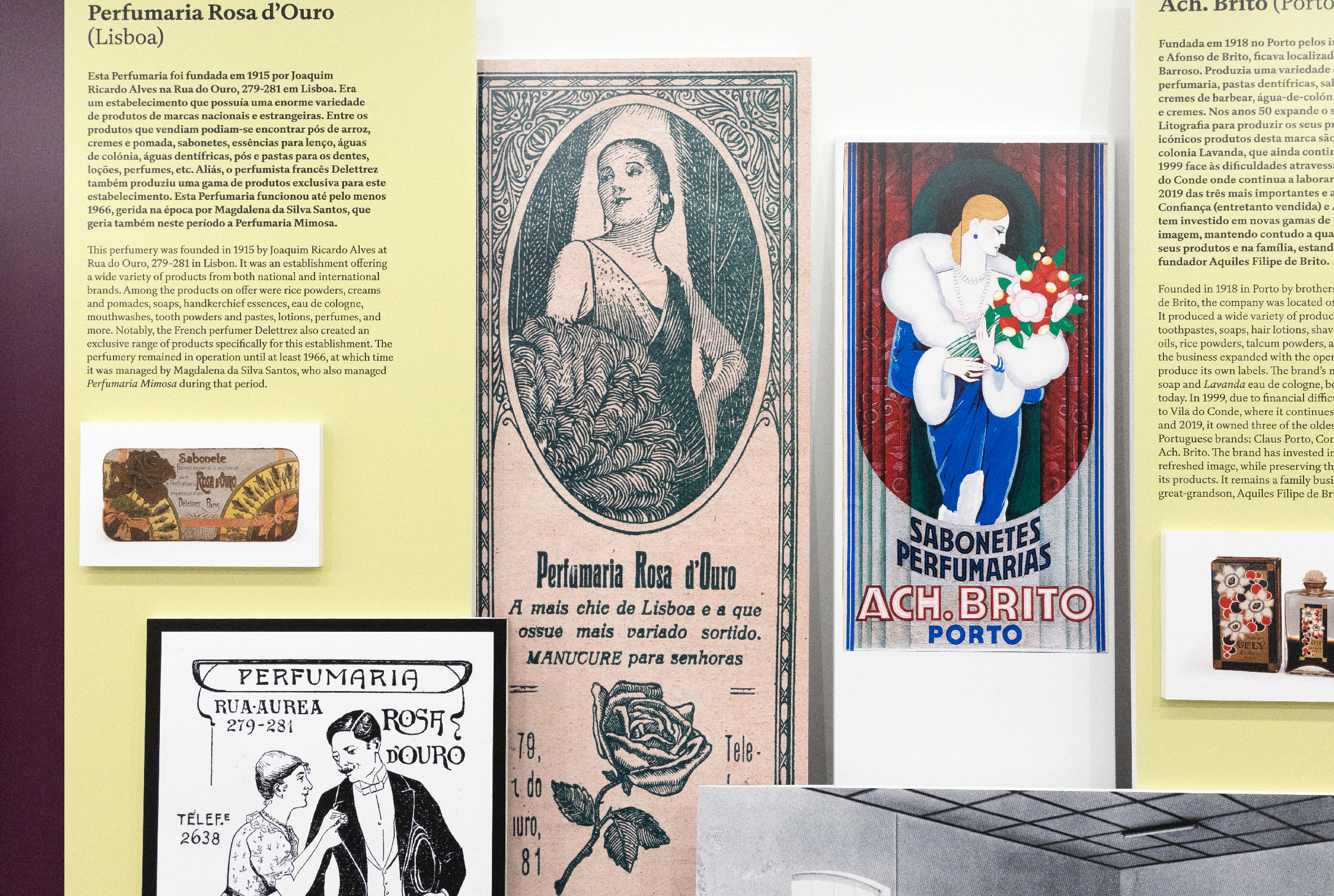
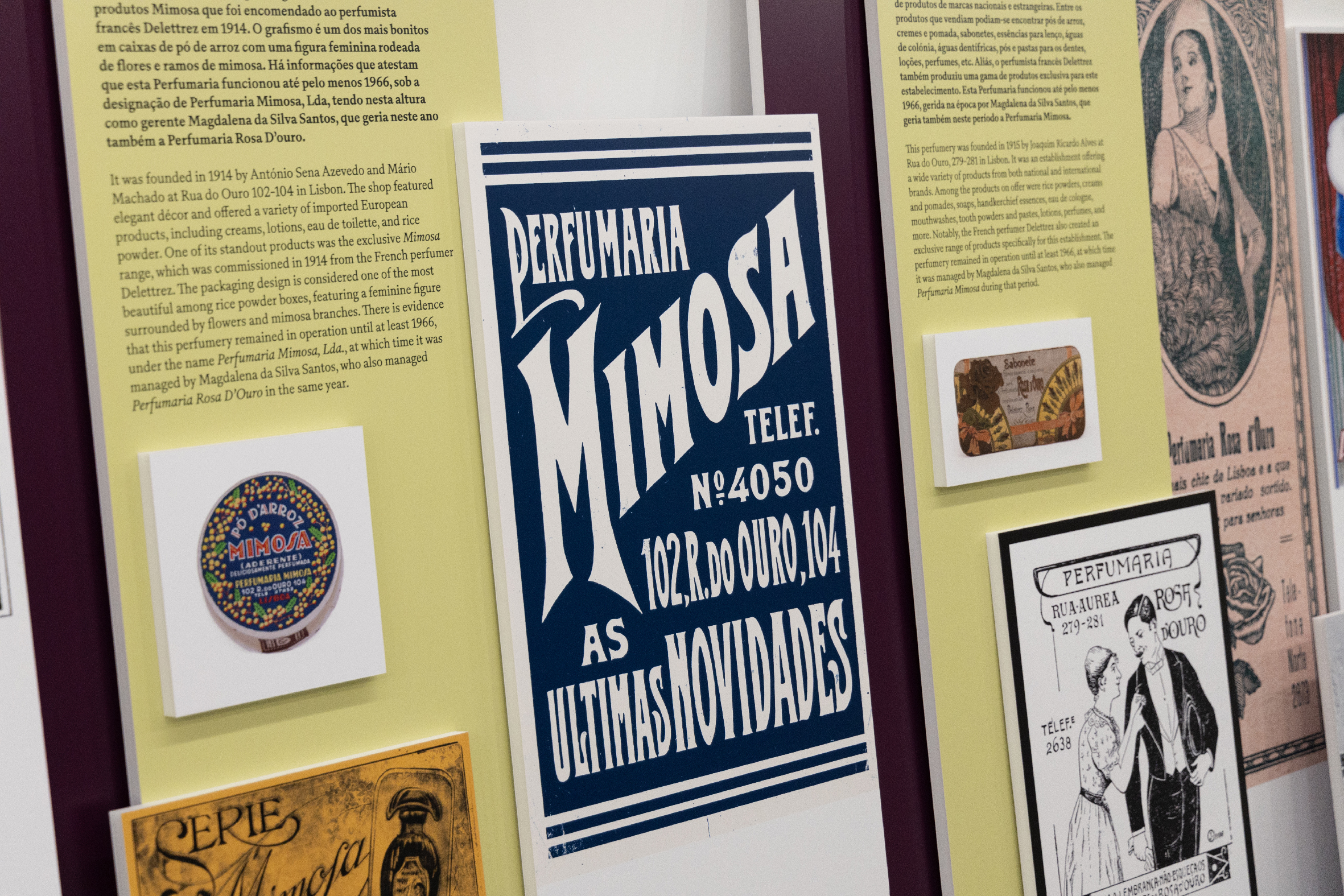
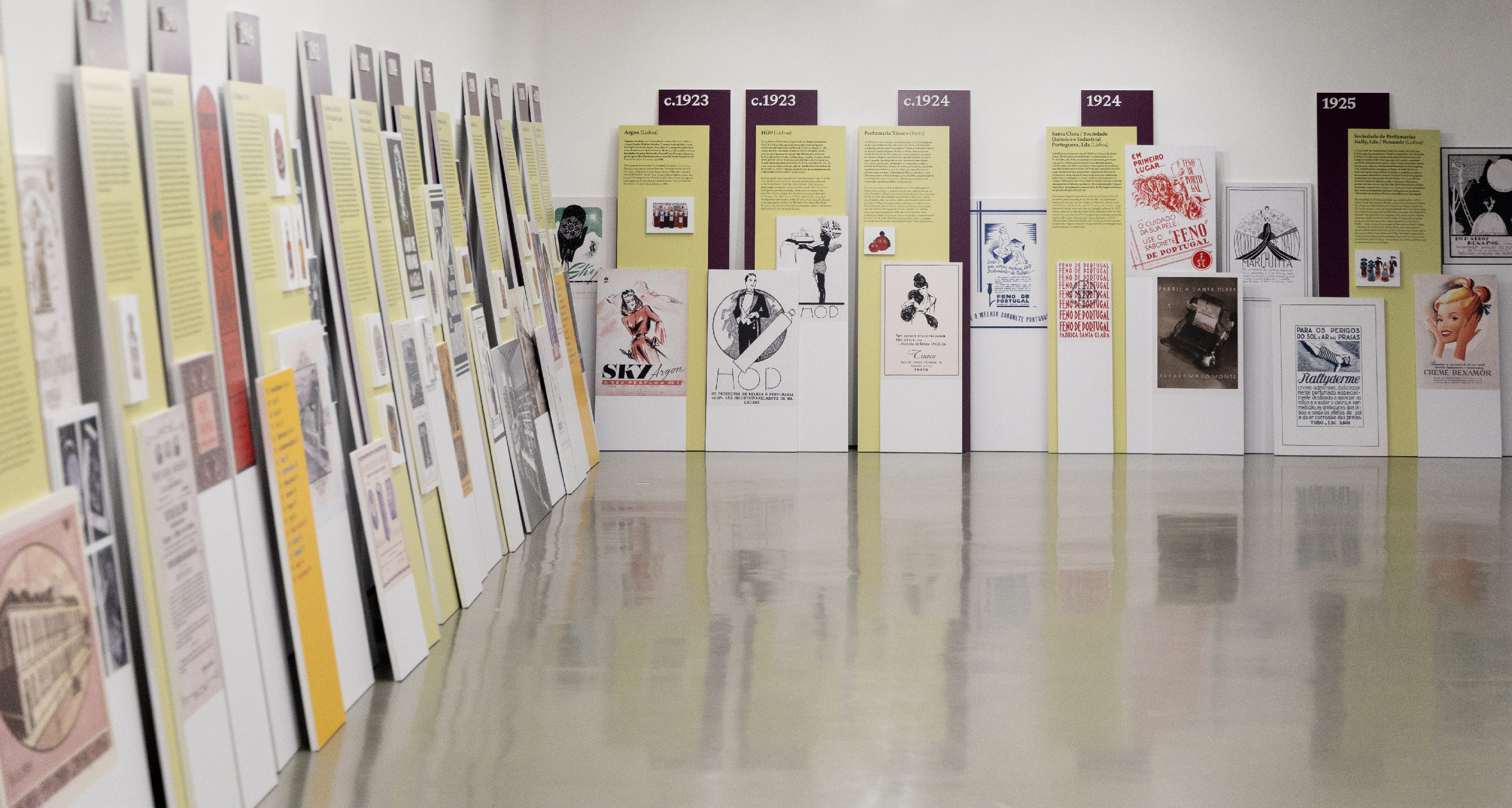
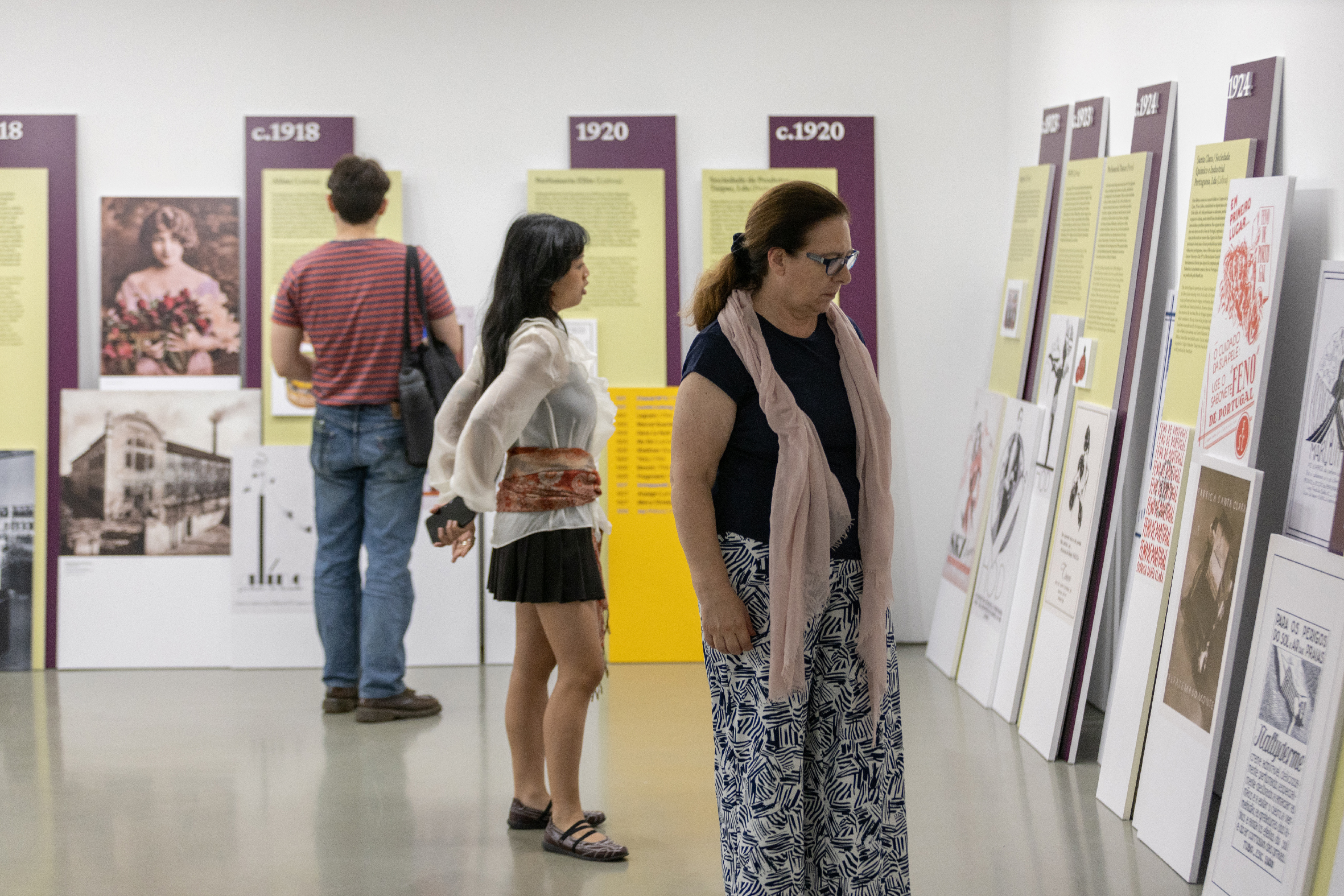
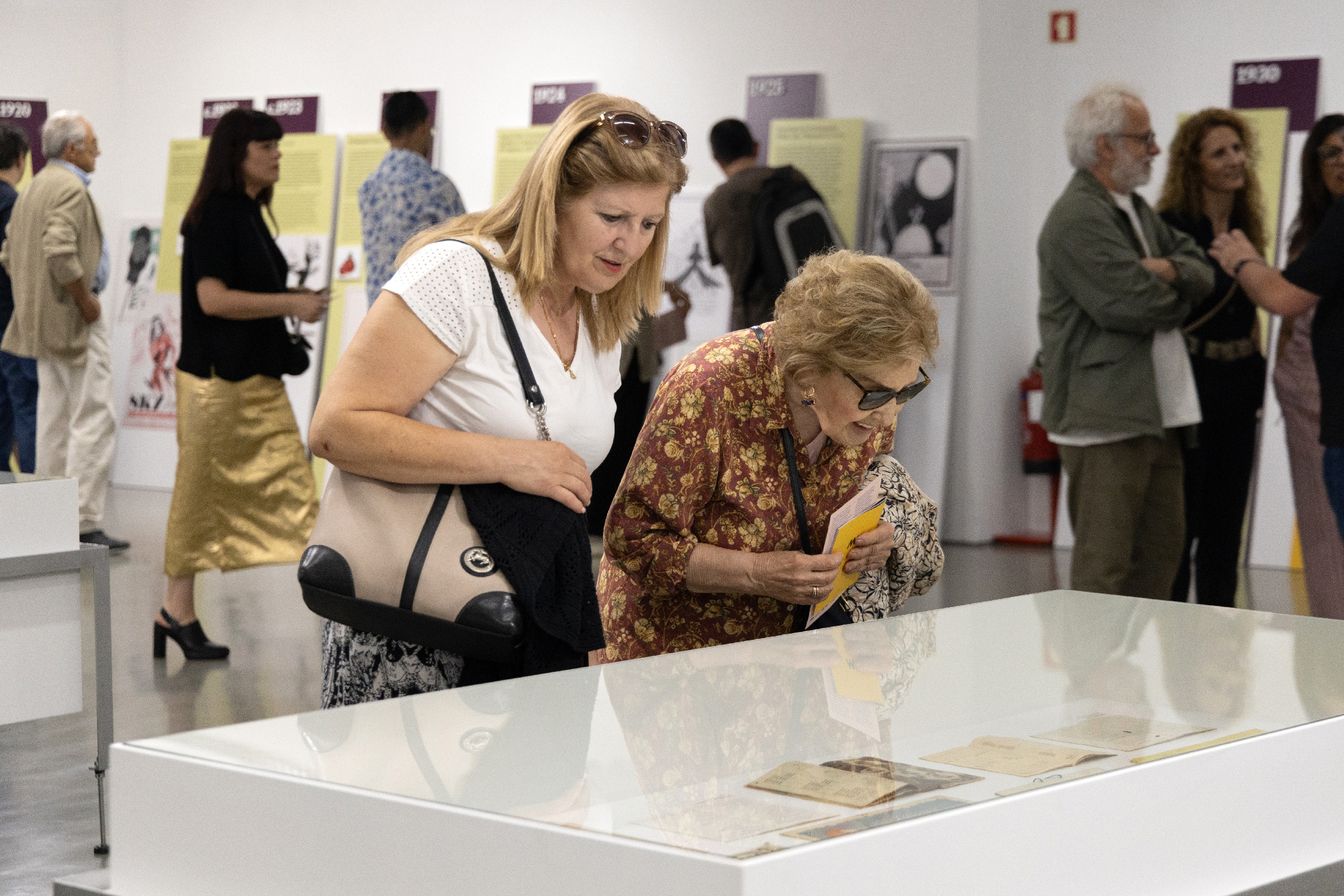
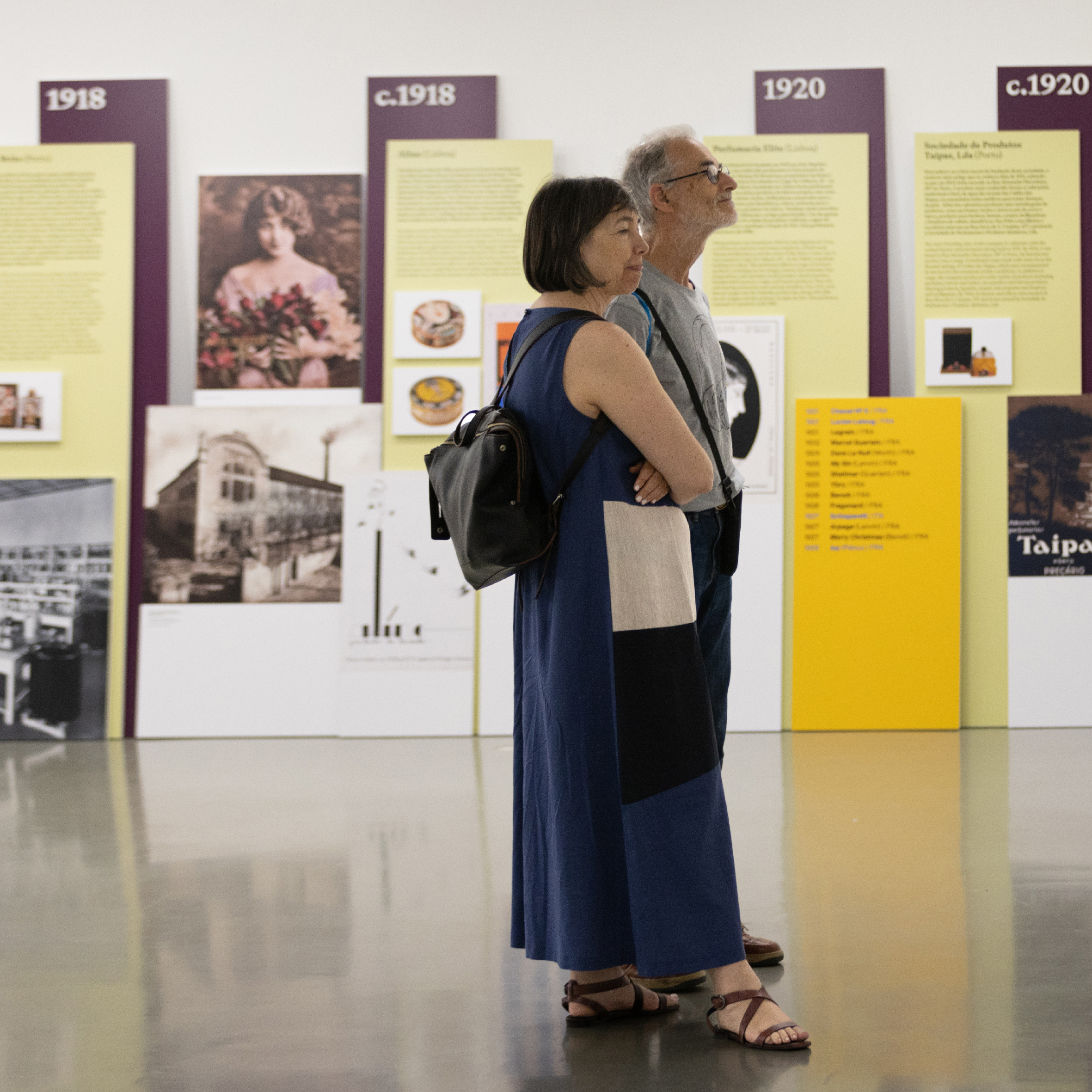
The design of the exhibition itself constructs an historic overview of Portuguese perfume brands from the mid nineteenth century to the mid world wars period and finally to the 1980’s, in the form of an illustrated timeline. It also includes, as historical context, dates that relate to world famous international brands. From there, moving through a documental section the audience is then led to the central display of the collection, consisting of both Portuguese and international perfume bottles.
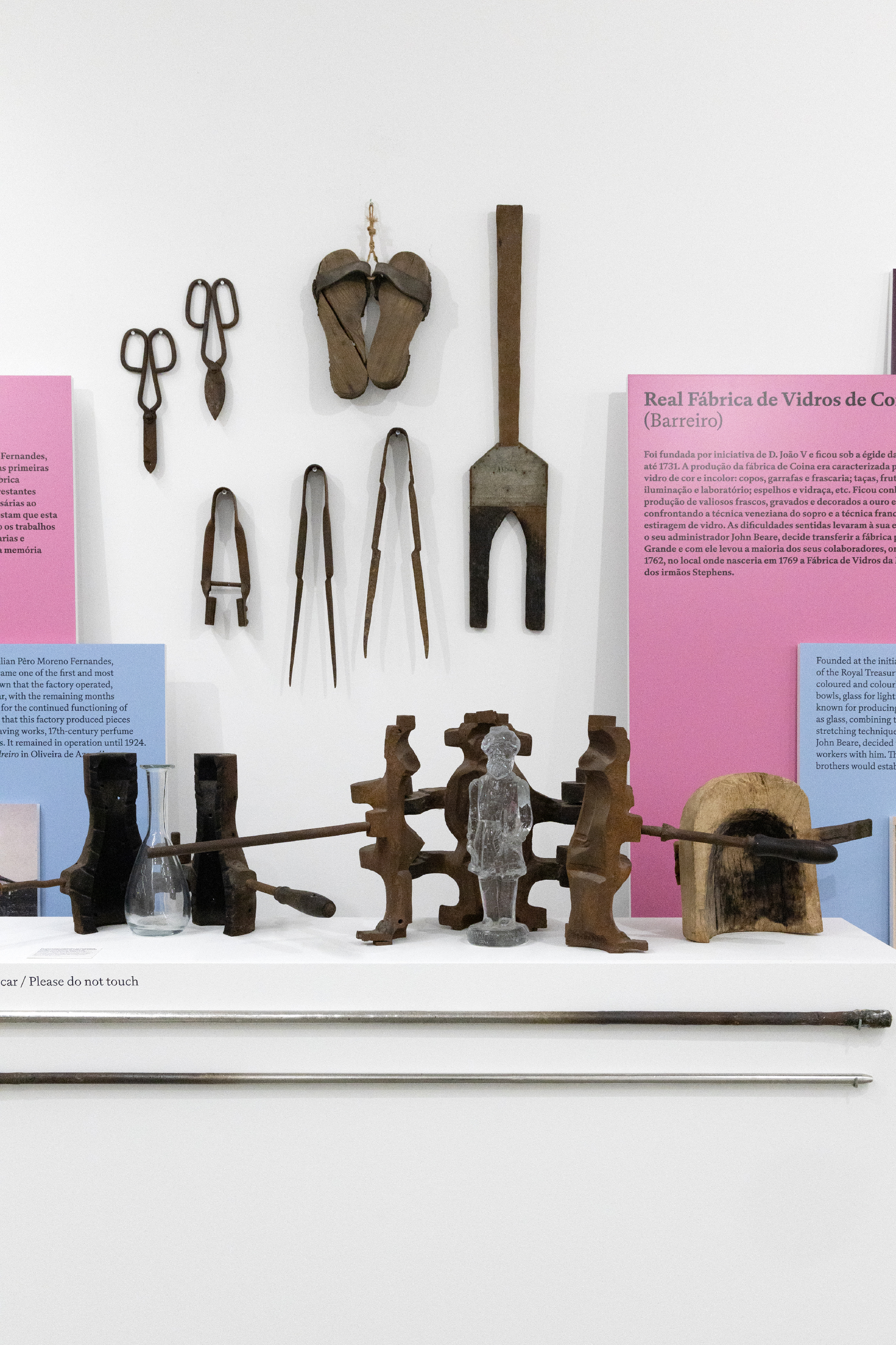
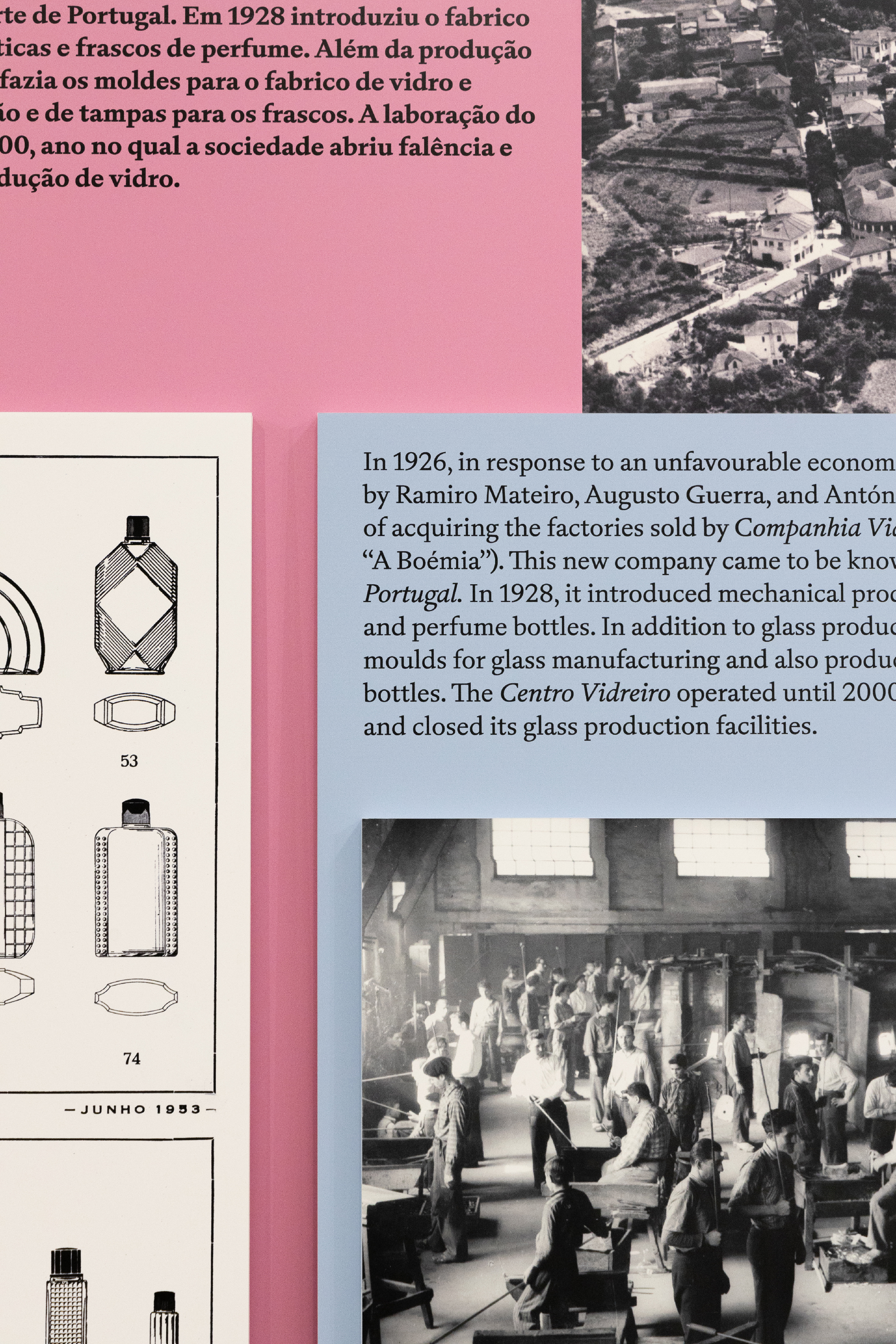
All designed objects are the result of particular histories and material processes, contexts that make sense of their being and their form. Thus the exhibitional narrative begins by exploring the basic building material of the collection – glass — as a material and as a container. Therefore, preceding the Portuguese brand timeline is another illustrated timeline which documents the history of the Portuguese glass industry, tracing it’s roots to 1528 and the earliest known production centre – the Fábrica de Vidro do Cóvo – located in Oliveira de Azeméis, through to various renown factories in Marinha Grande during the 19th and 20th centuries.
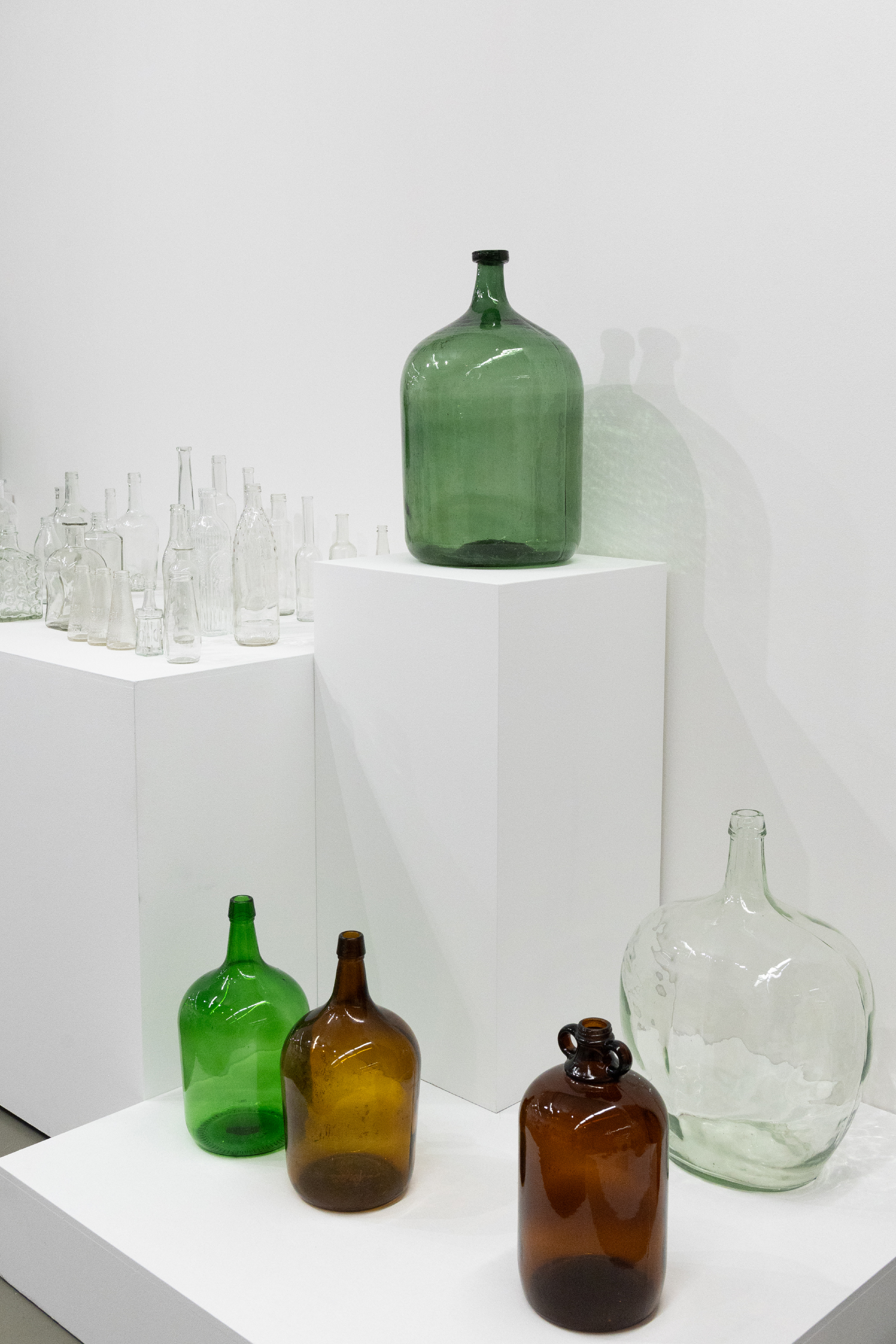
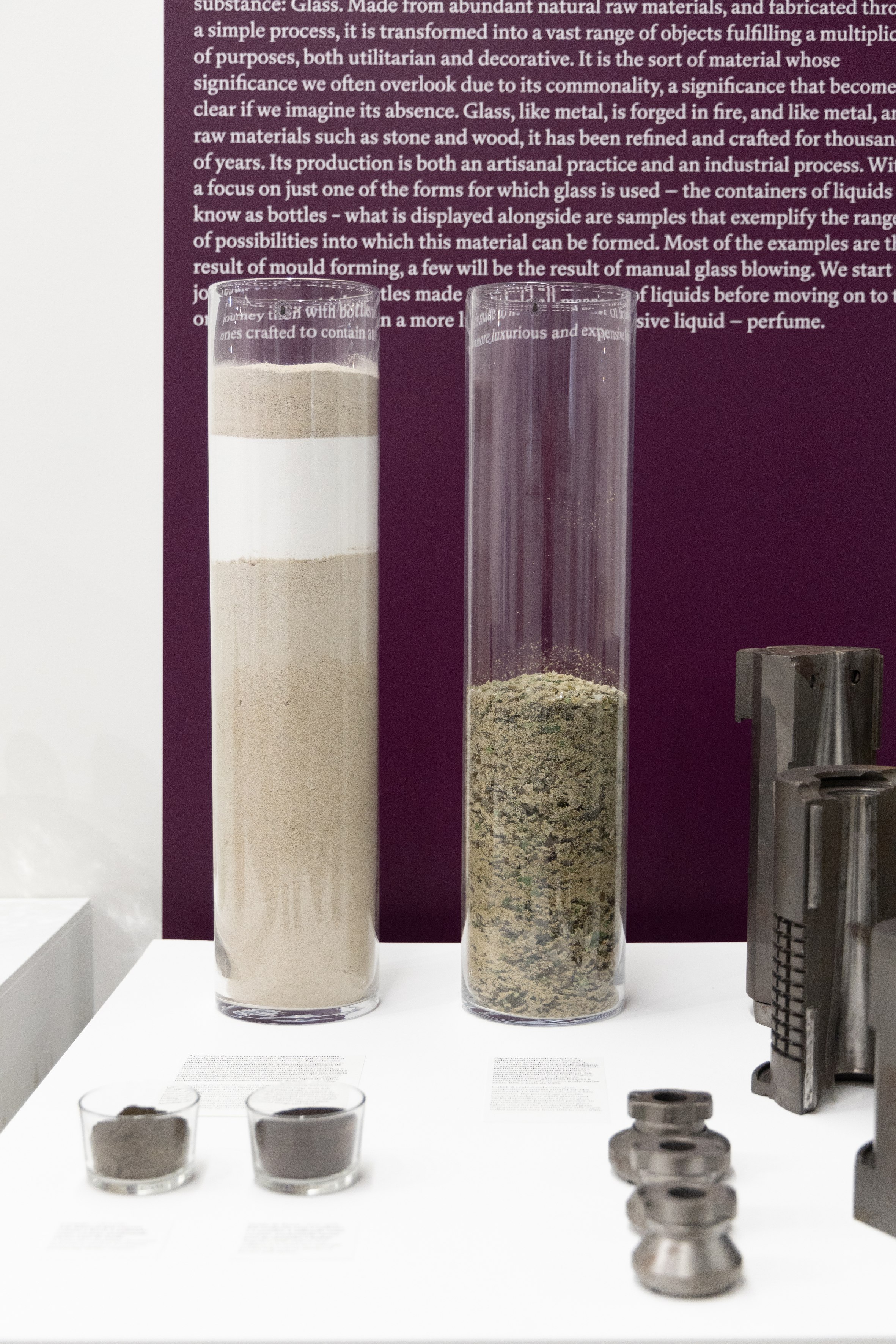
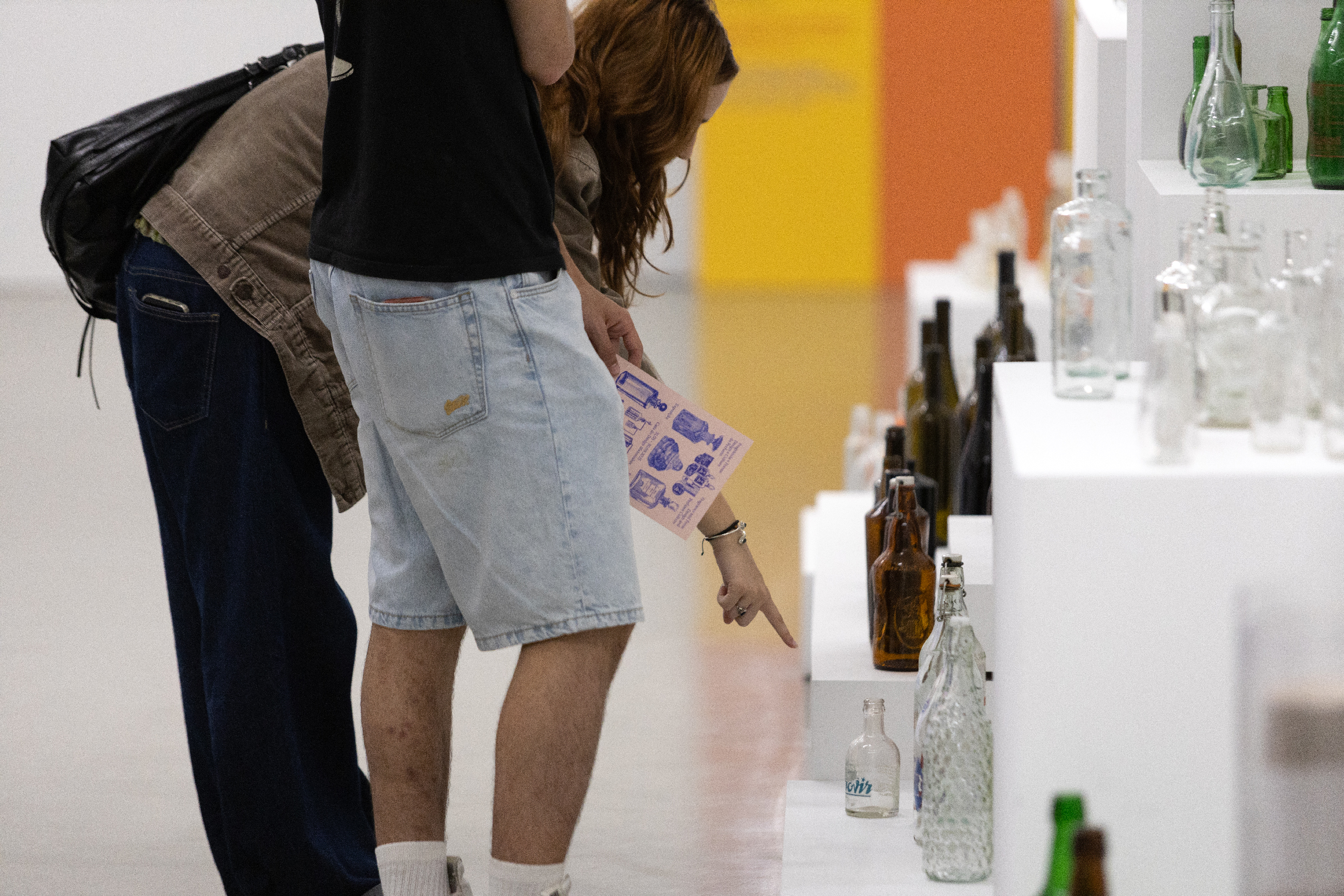
Alongside a historical perspective, glass is also explored as a material, in a display that explains the natural physical materials used in its composition and production, and some of the tools, both traditional and contemporary, used in transforming molten glass into the products we are familiar with. And precisely with that thought in mind, a display of common everyday glass bottles exists as a trigger to ‘re-learn’ how to look at objects that are so familiar to us that we may have forgotten to contemplate them beyond merely utilitarian use. Everyday glass bottles then, act as a starting point, leading us to subsequently to look specifically at bottles designed to carry one particular liquid – perfume.
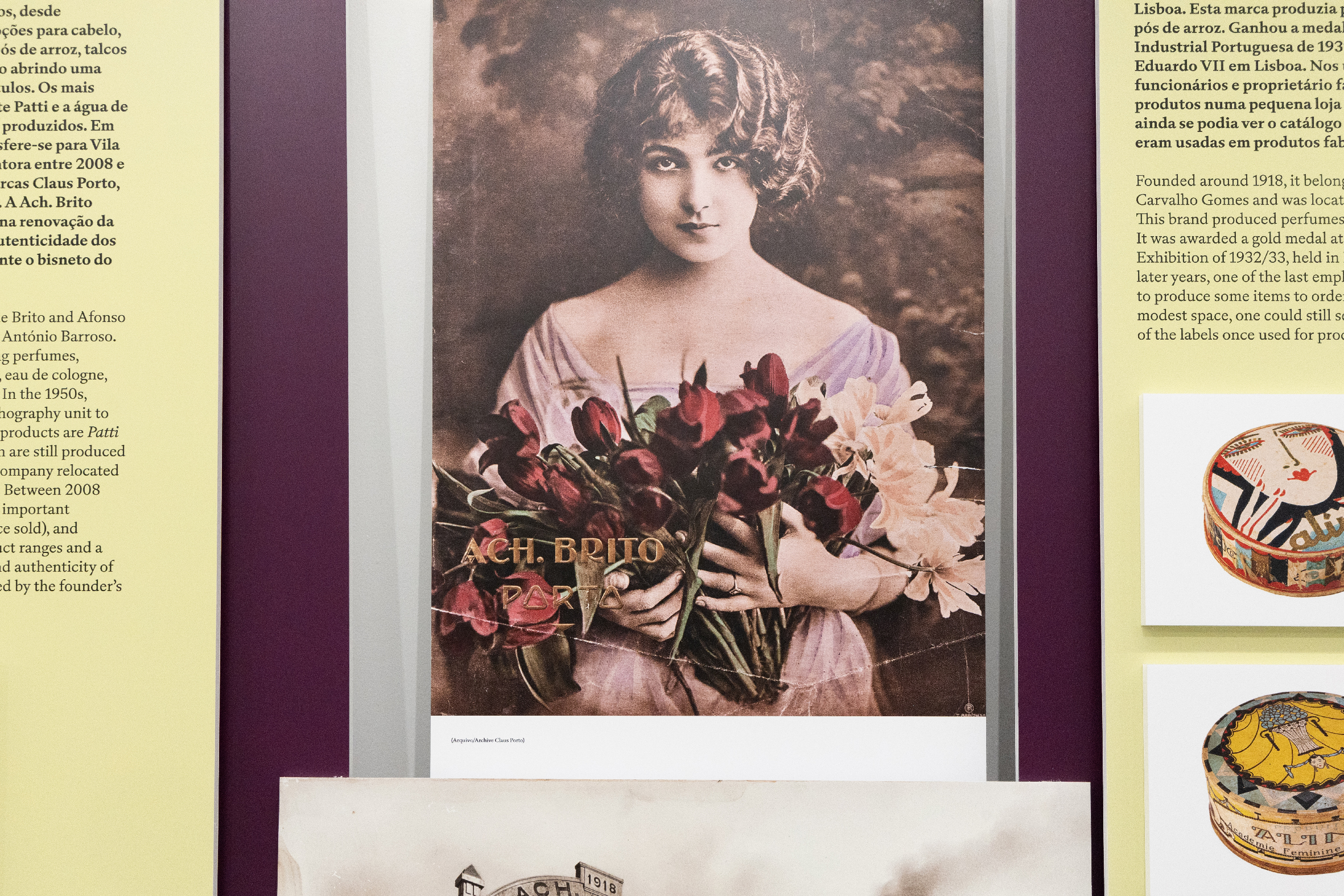
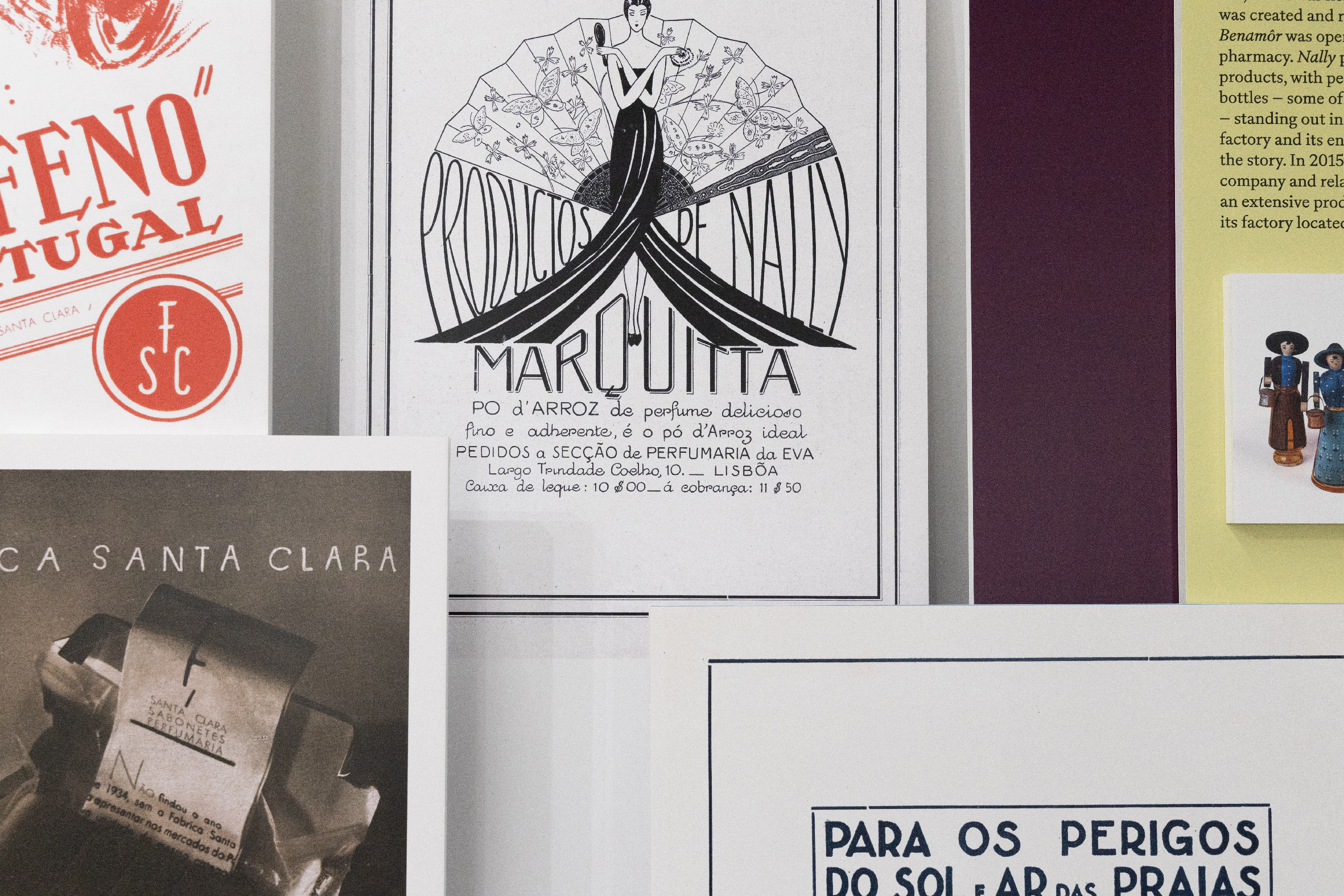
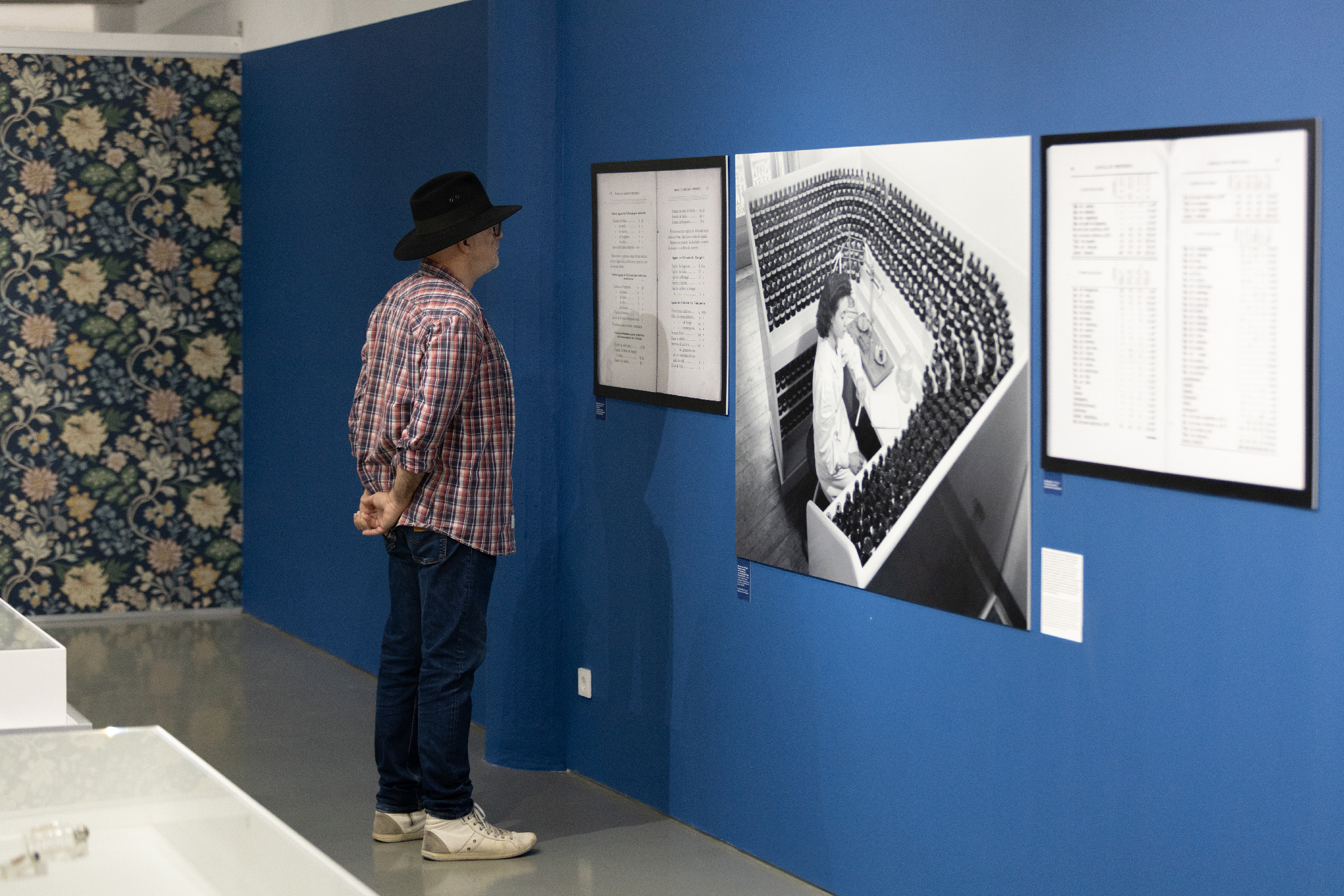
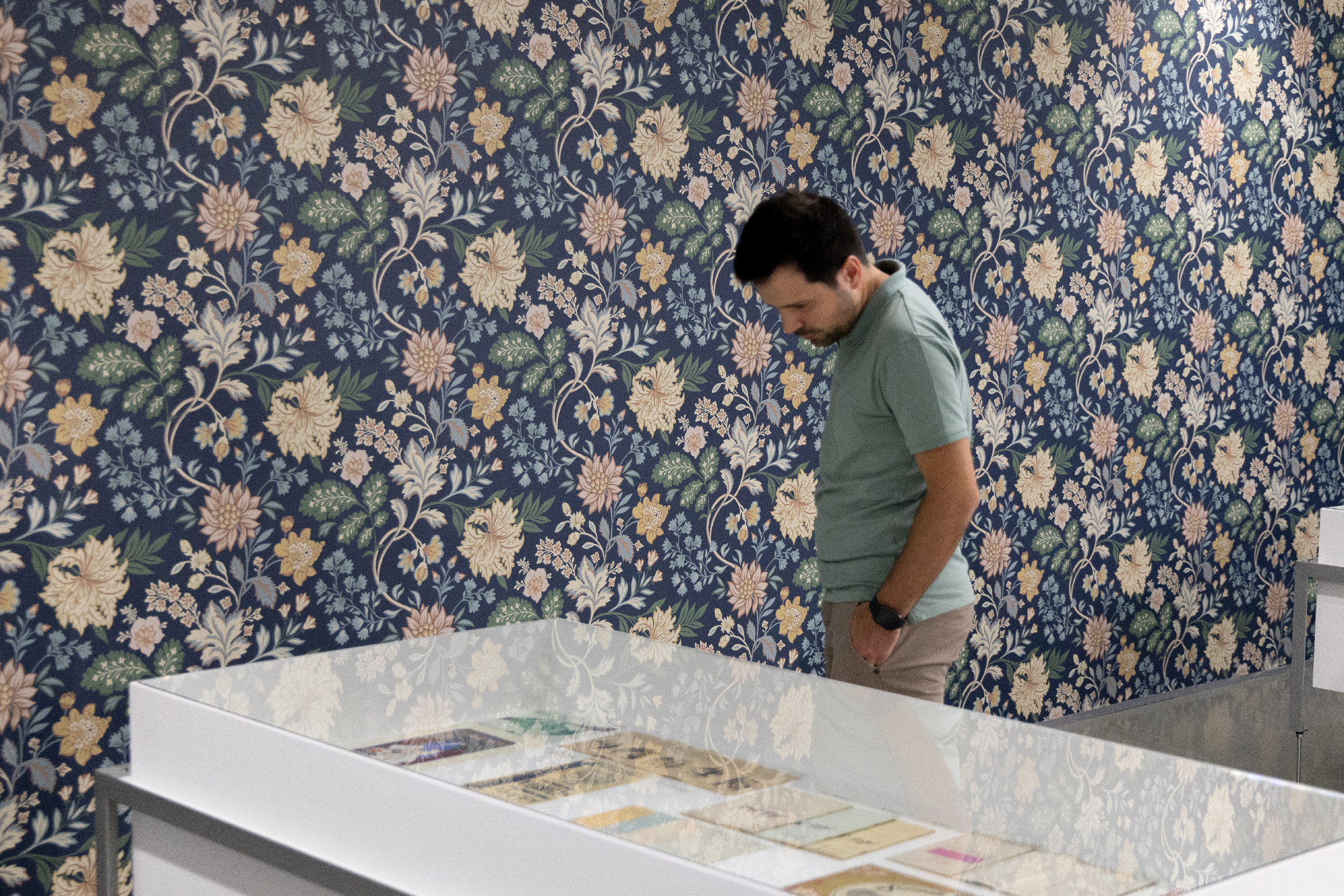
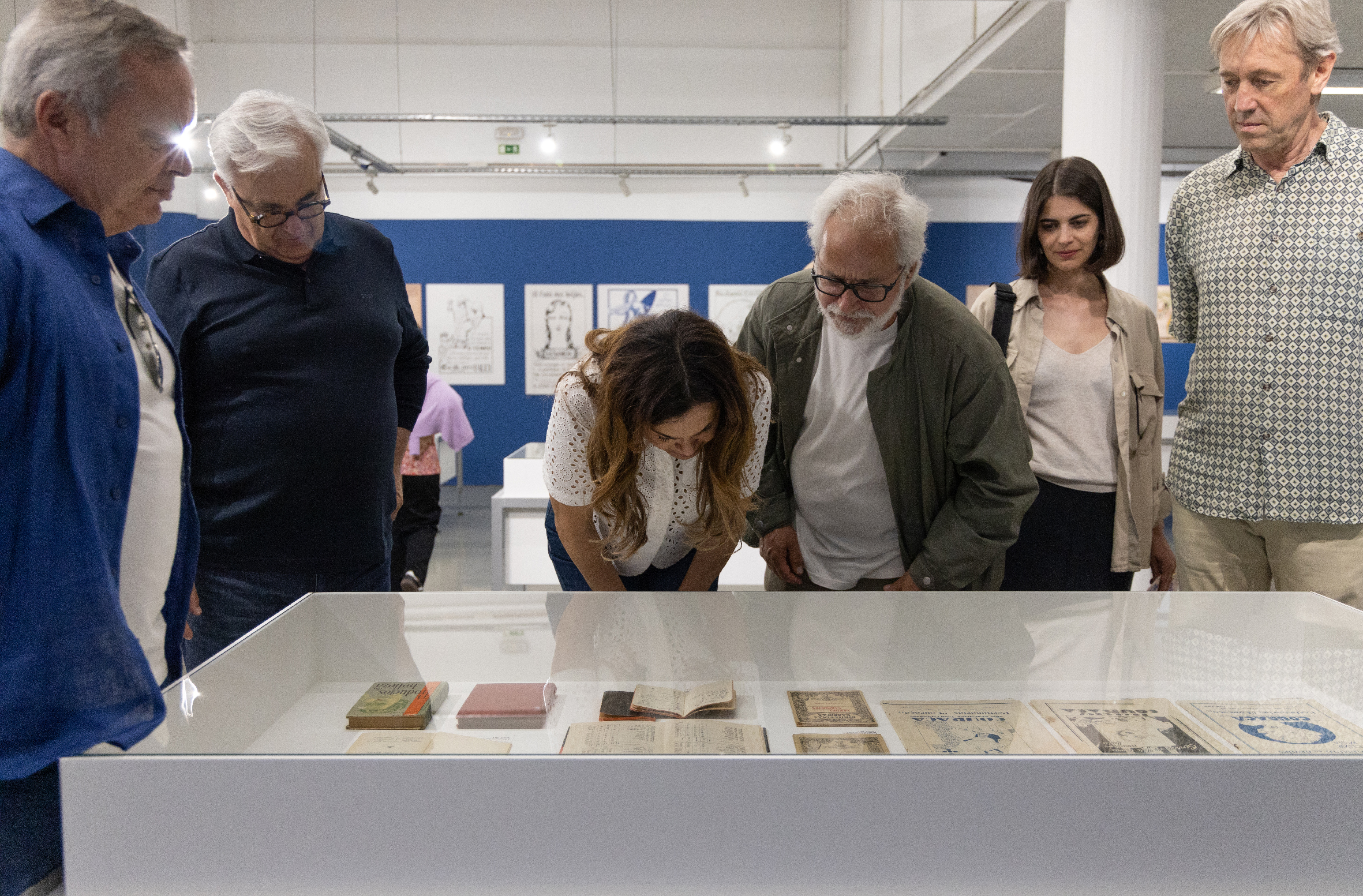
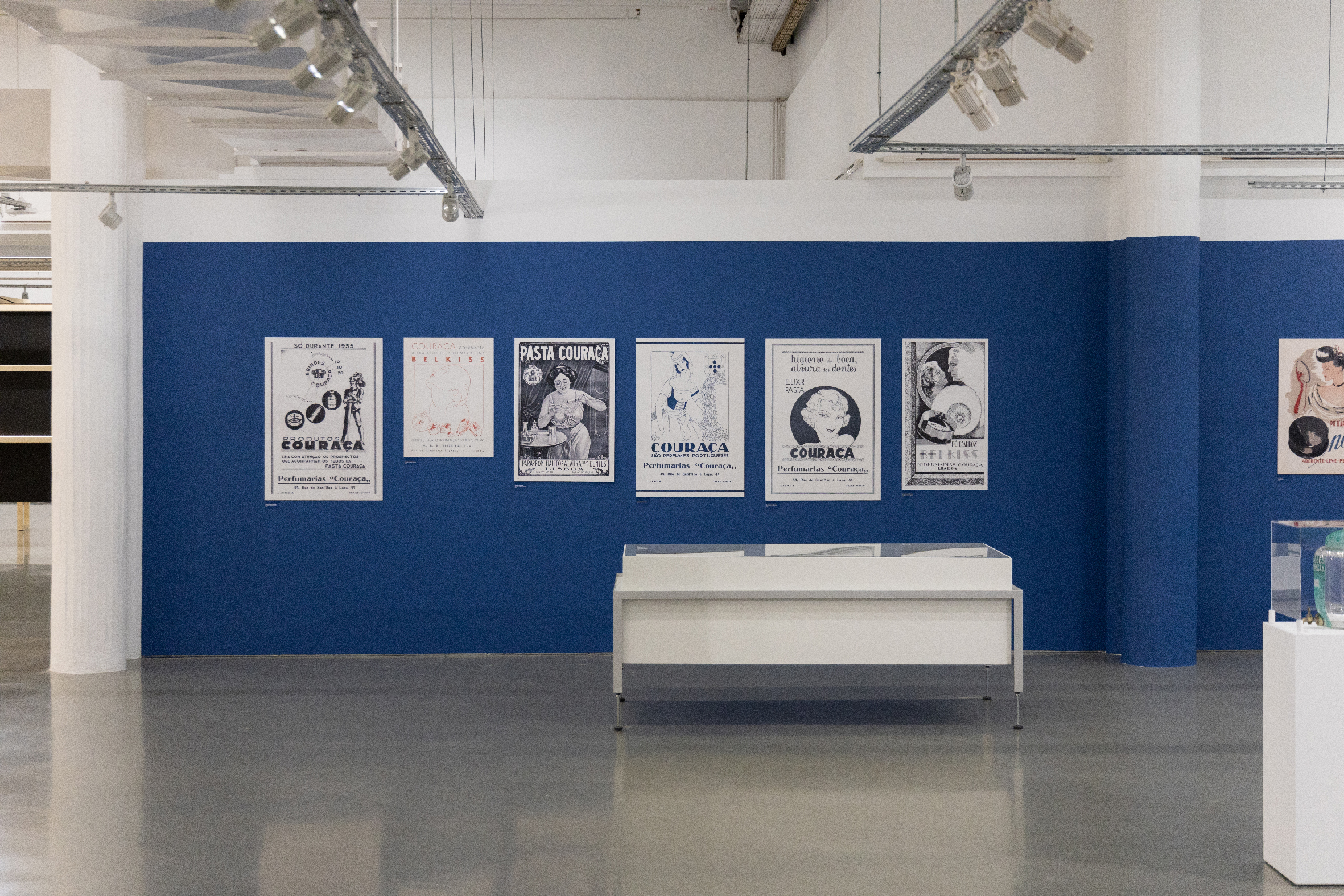
Part of Afonso Oliveira’s collection also includes magazines and other periodicals, mostly 20th century, that contain publicity for the Portuguese brands. All exemplify graphic design styles of their period and whilst the original documents are shown in display cases, enlarged reproductions of particularly striking examples are displayed on the walls. Included in this section are documents pertaining to the ‘alchemy’ of perfume-making in the form of recipe books used to mix essences and construct fragrances.
Scale and space were two factors which were a fundamental consideration in the design of the exhibition. Whilst the exhibiting space is large, the objects in the collection are small. The resulting ‘extra’ space created an opportunity not simply in terms of the expansion of the contextual territory that the exhibition covered, but also with regard to how it covered it – the sorts of visual and physical solutions the space allowed. This was definitely a factor in the way that the timelines were designed, occupying more space than might be usual, but it was also a factor in the way the collection itself was displayed.
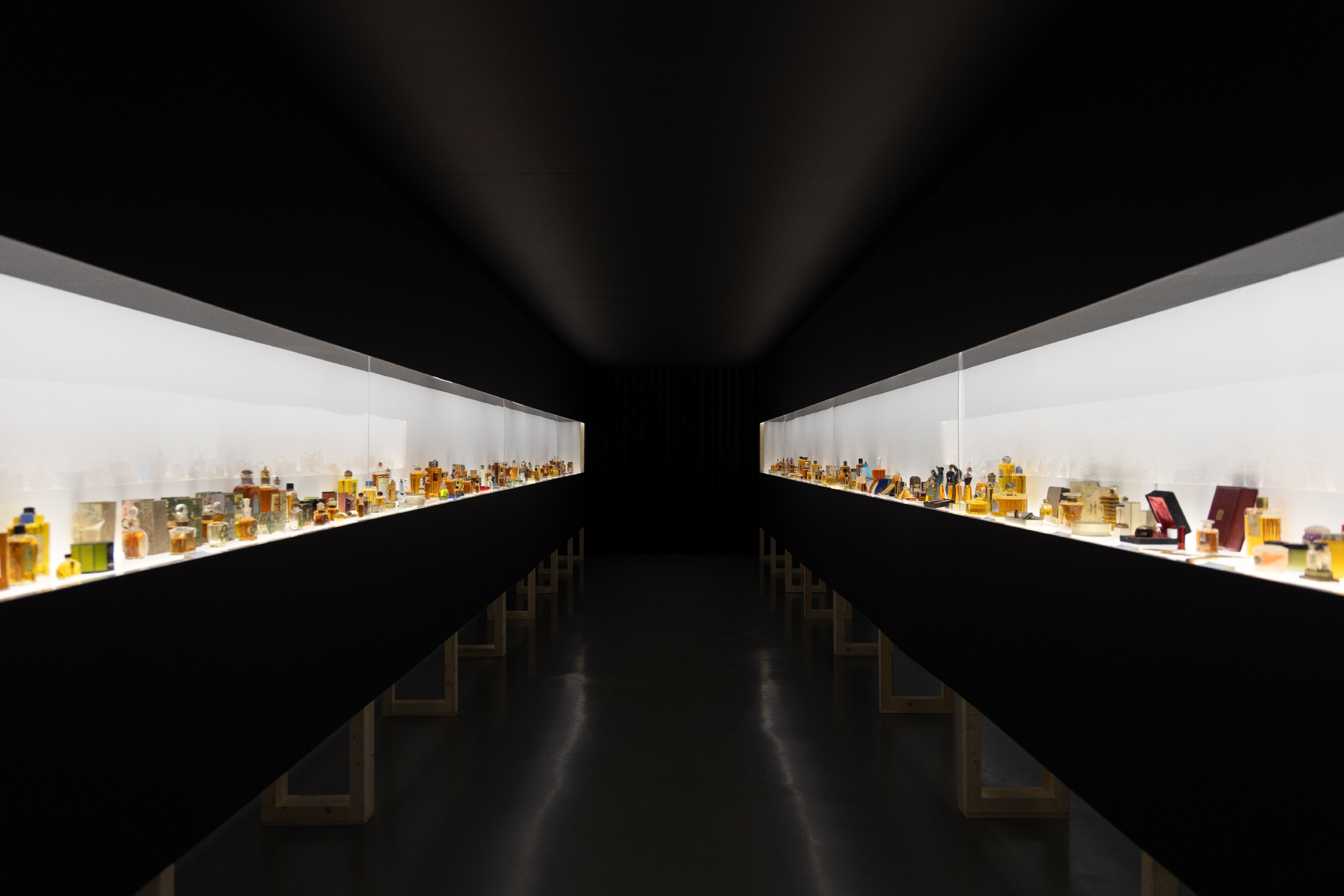
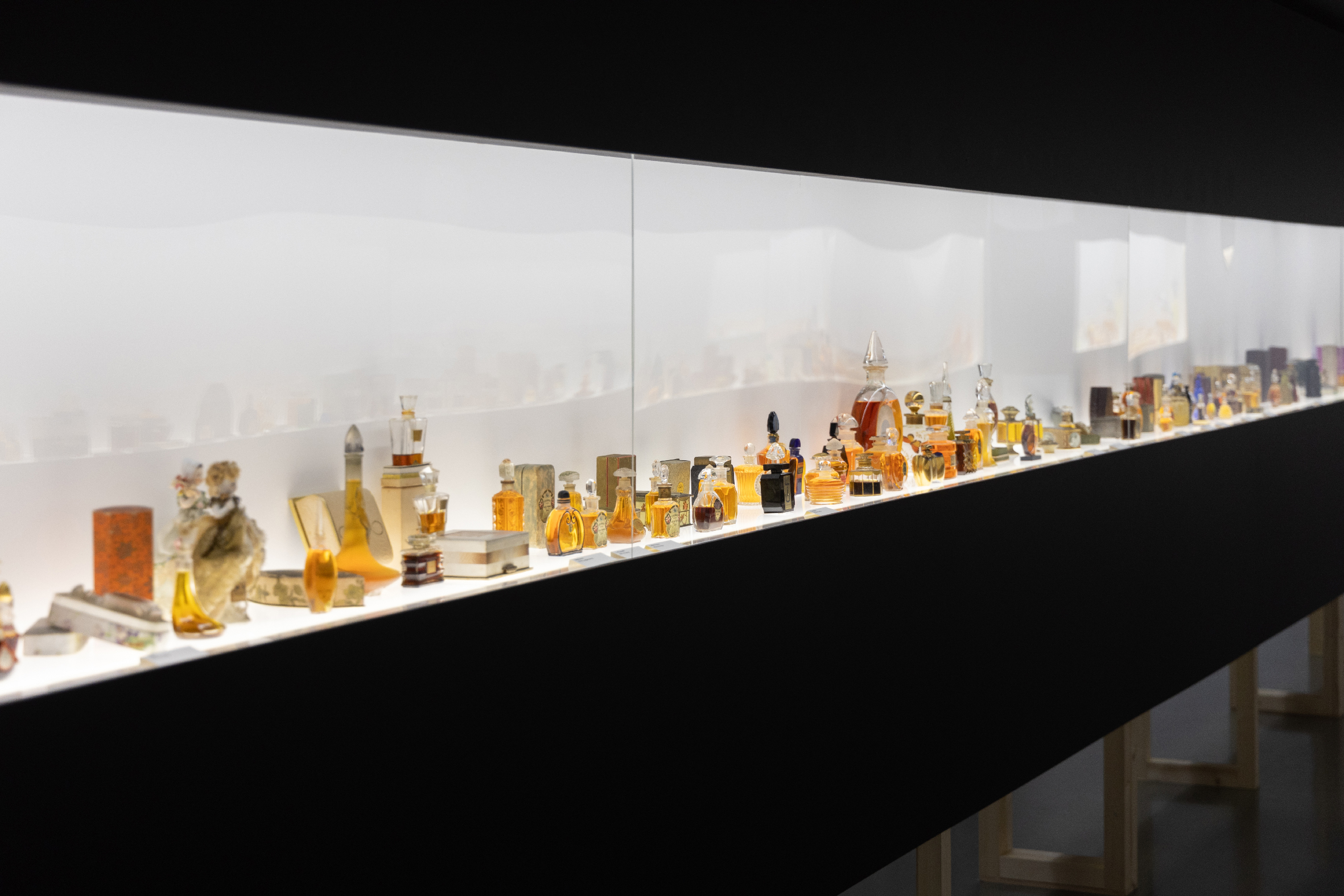
Here, it was important to direct the viewing environment in a way that allowed the lighting to be strictly controlled, and for a certain intimacy to be created between the audience and the objects. This was achieved through the design of ‘tunnels’ that isolated the bottles from the larger space in which they were situated whilst guiding the visitors through the collection.
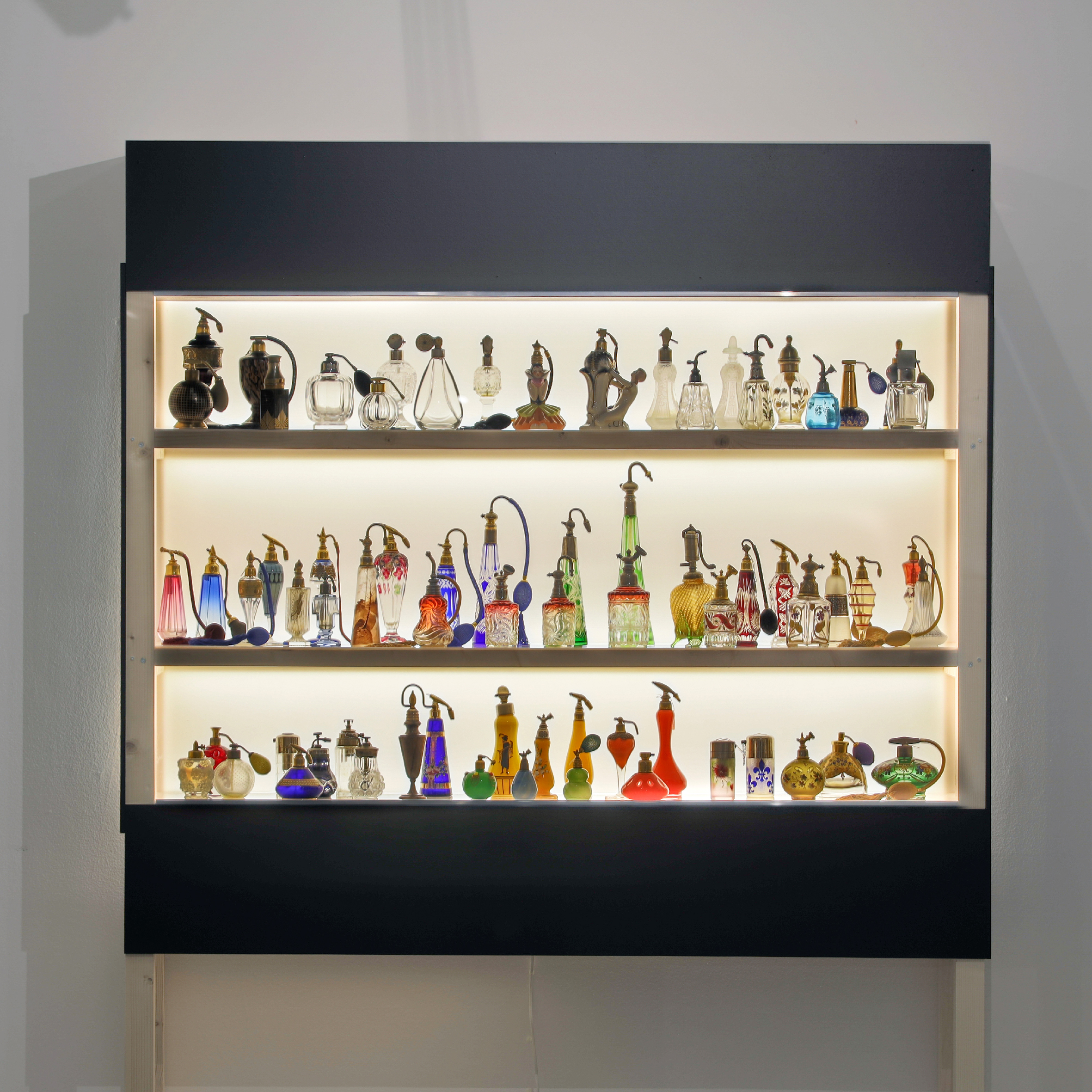
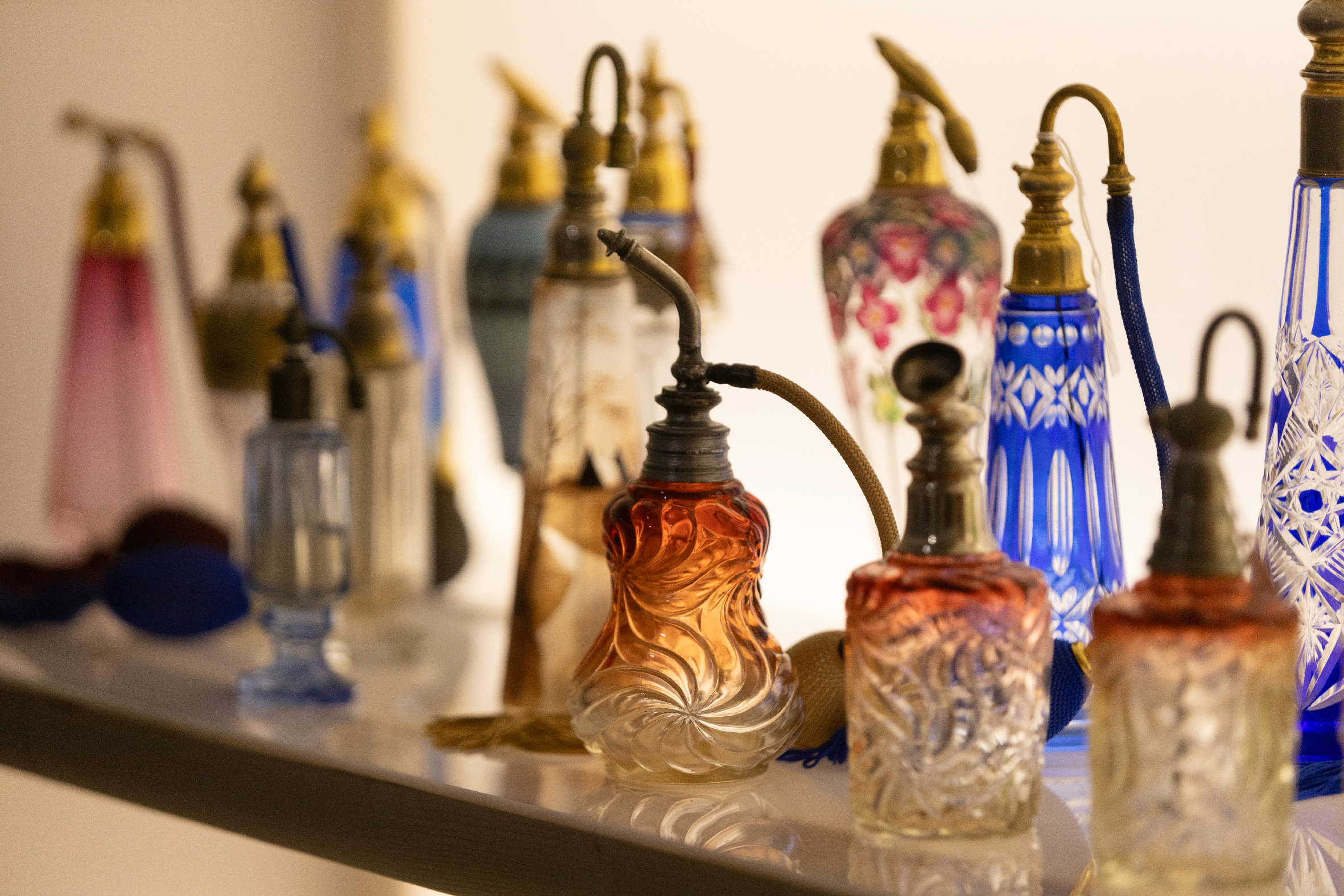
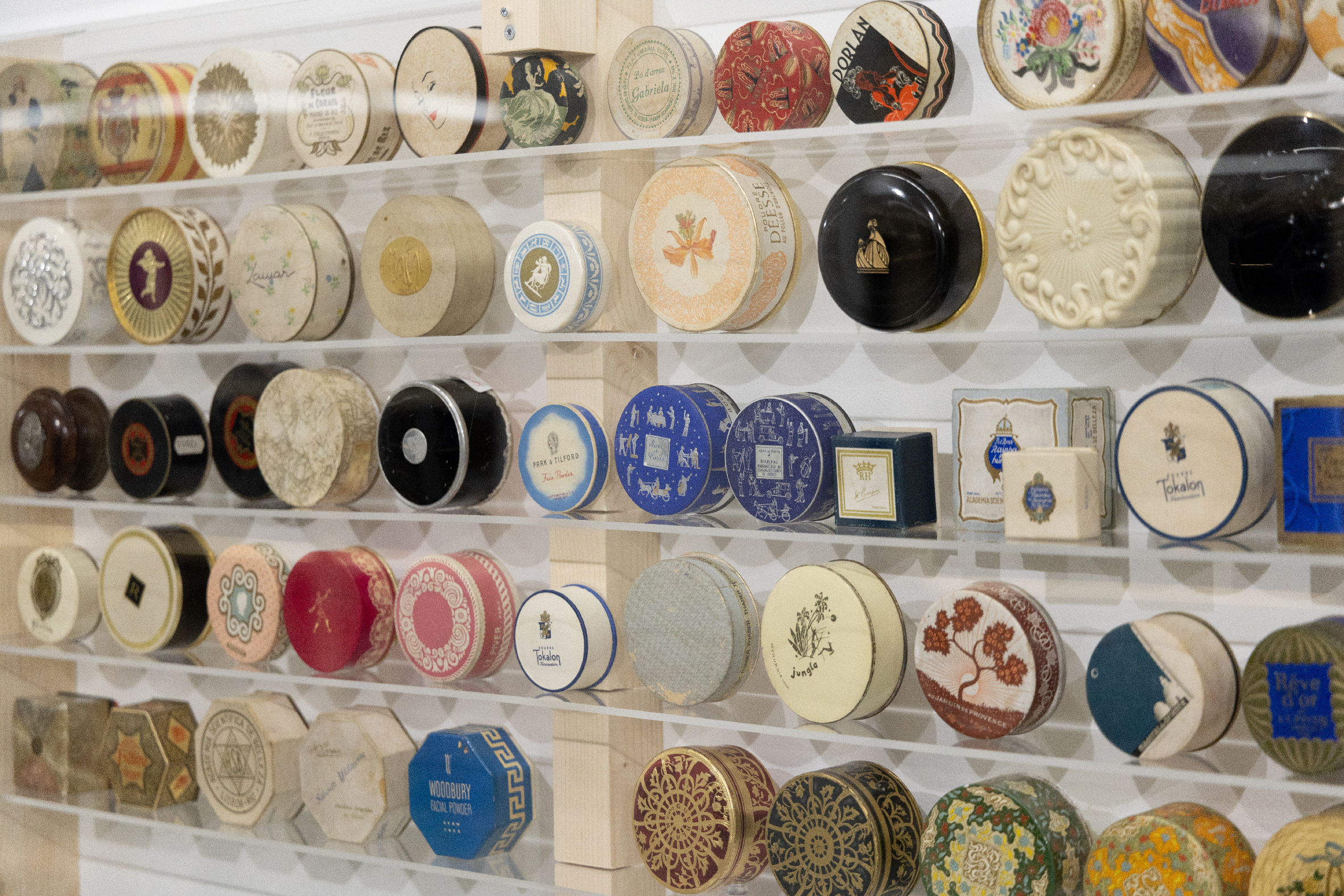
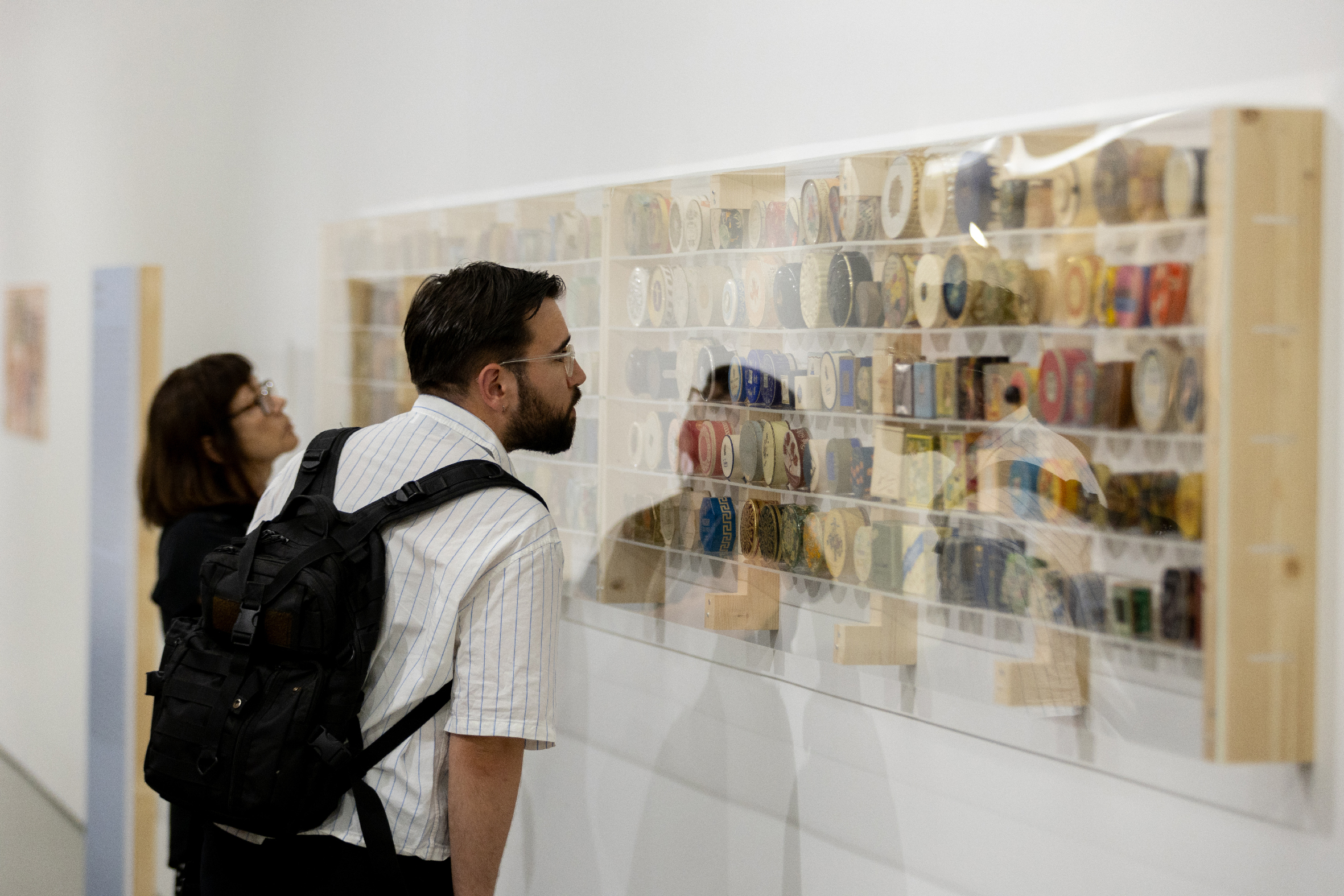
Two other elements extend Afonso Oliveira’s collection. One is a particular kind of perfume dispenser referred to as an atomiser which allows perfume to be sprayed in a fine mist, and the other – rice powder boxes – which to all intents and purposes, is a collection within a collection.
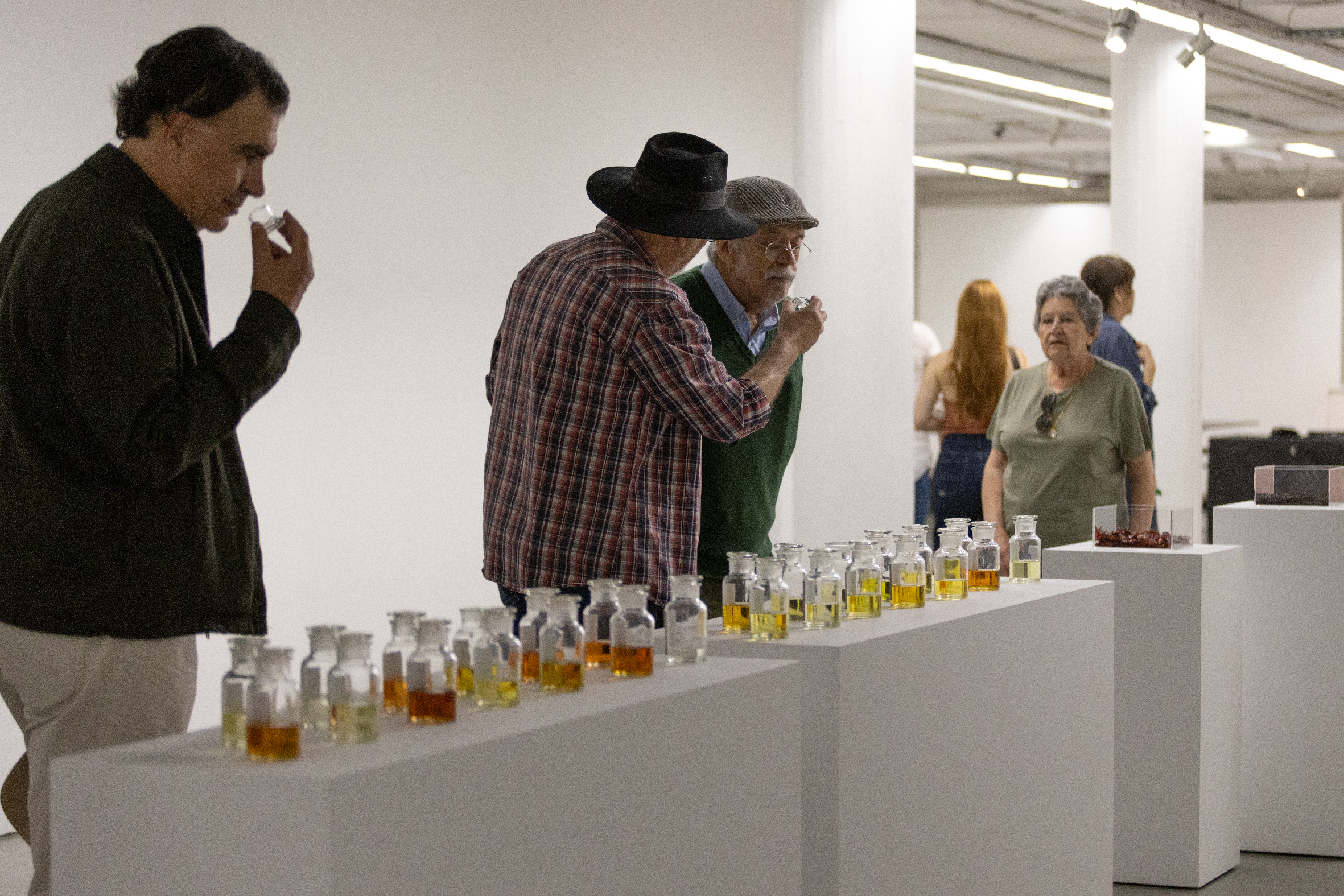
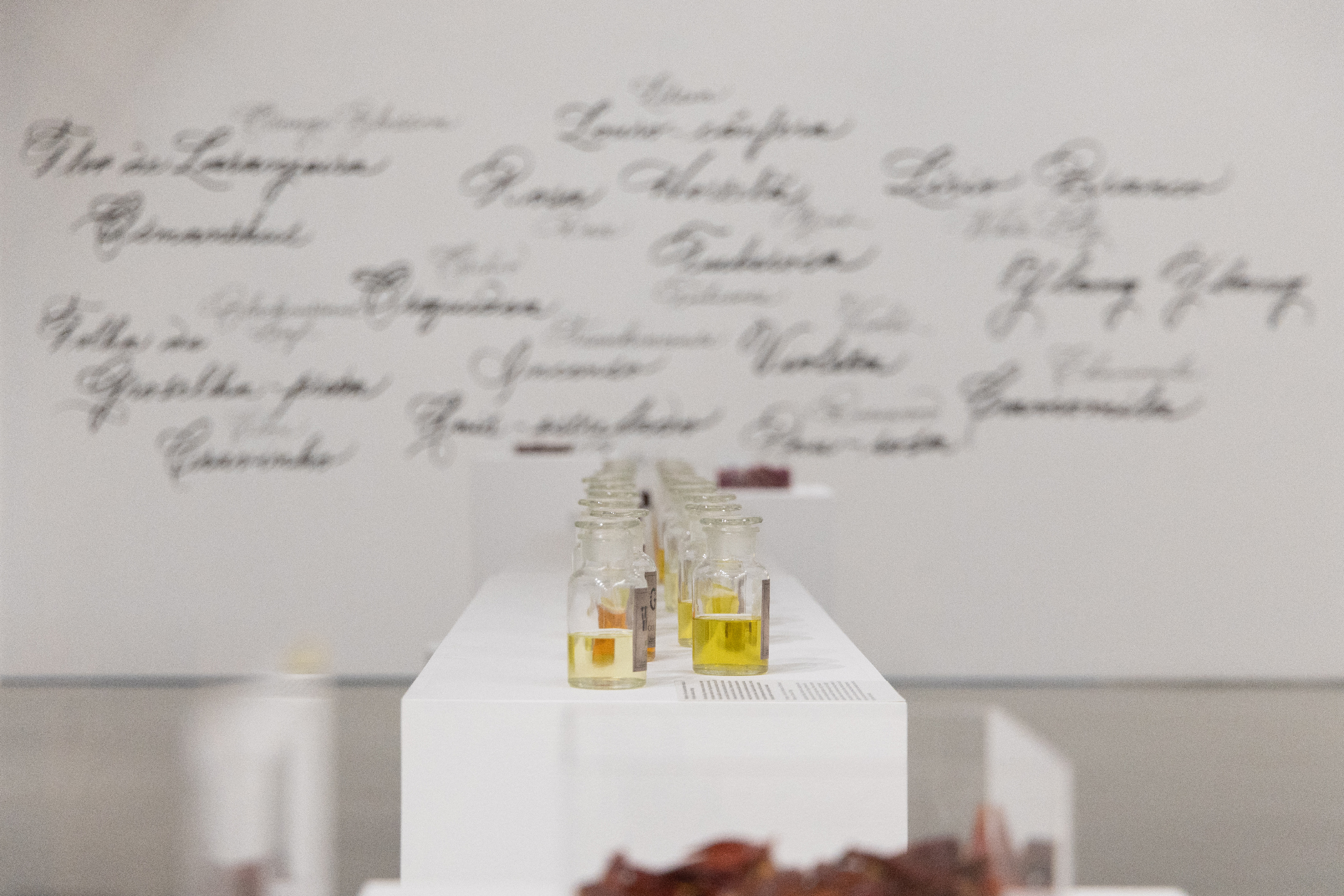
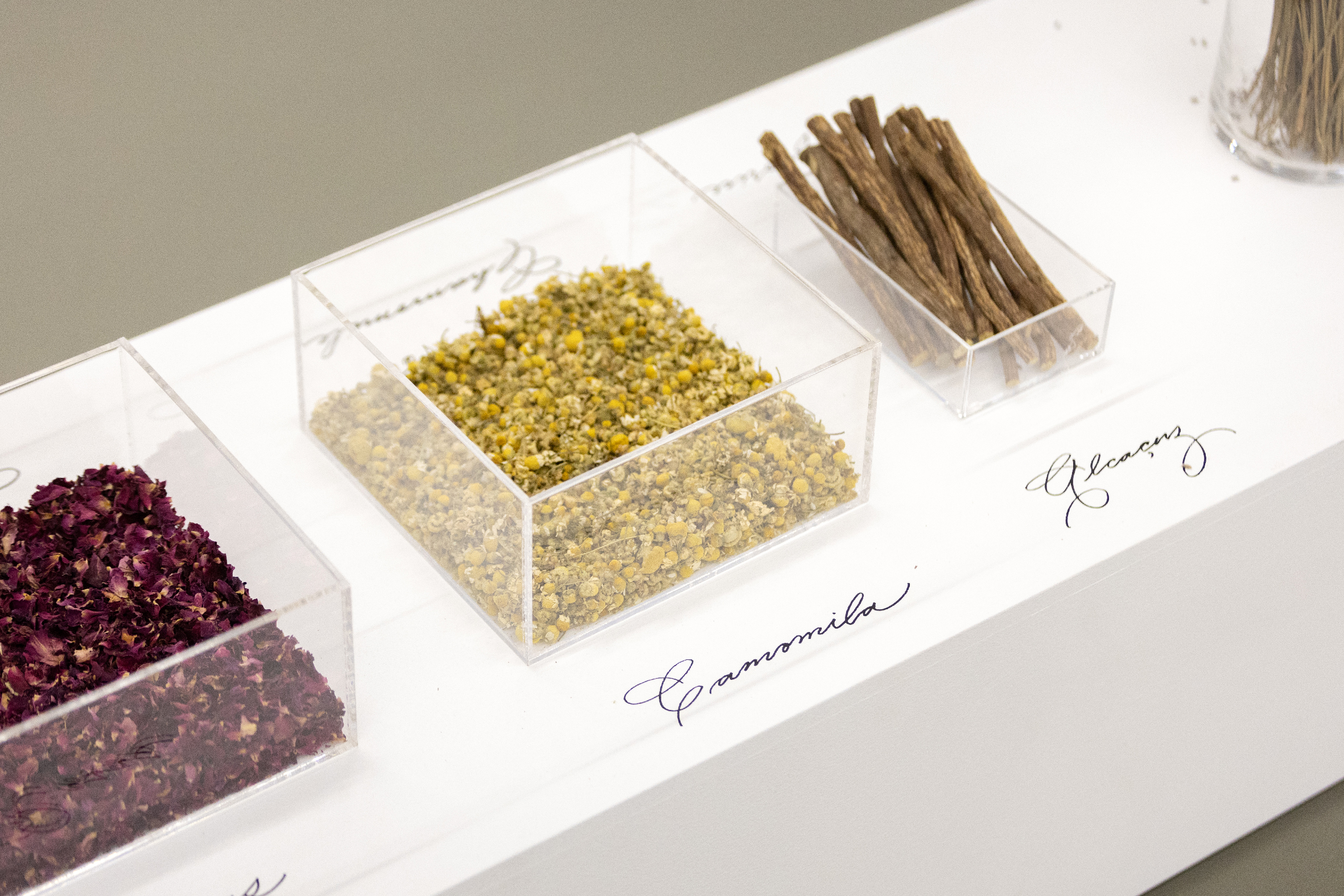
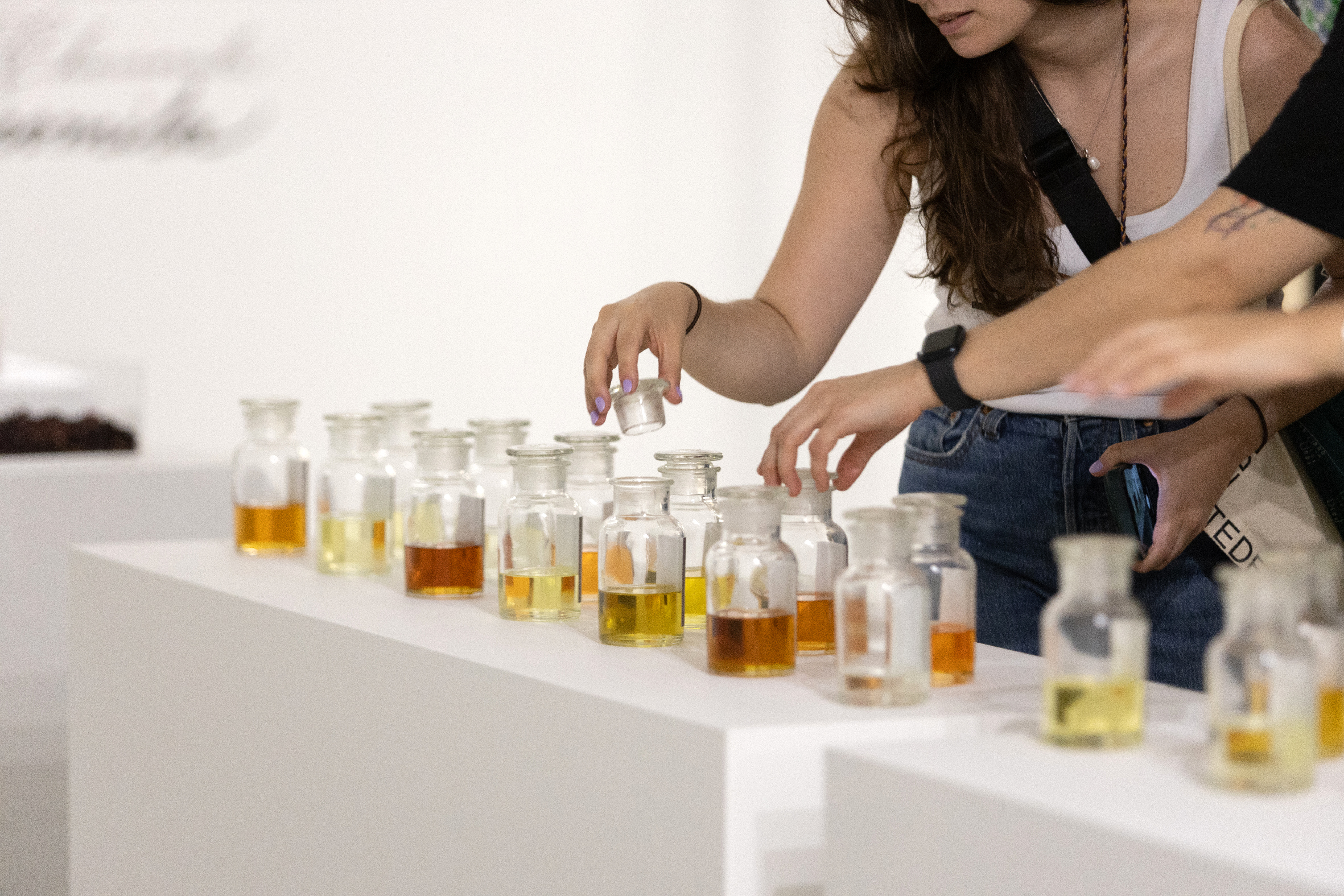
The final component of the exhibition is a sensory one, adding the sense of smell to the visual. It looks at the essence of perfumery and the chemistry of fragrance, by displaying many of the basic natural plant-based ingredients from which essential oils are extracted, as well as a selection of the oils themselves that can be smelled by visitors.
The content of every exhibition is circumscribed by the nature of the physical space within which it exists, and is in fact always planned as a response to the physical space. The space doesn’t alter the subject dealt with but it alters the nature of the focus. With less space this exhibition could have simply consisted of the three ‘tunnels’ that feature Afonso Oliveira’s primary collection but the opportunity that the Casa de Design gave us, allowed a broader, more expansive, more detailed look at the history behind the bottles and their brands, allowing us also to contemplate the background story of their manufacture as part of an industrial and artisanal process. In the final analysis we are left with a collection of designed and crafted objects that tell a story – a story of skill, dedication and a concept of beauty.
Organisation Câmara Municipal de Matosinhos / esad–idea, Investigação em Arte e Design
Duration 31 May–30 September, 2025
Location Casa do Design, Matosinhos
Acknowledgements: Andrew Howard (curator), Afonso Oliveira (commissioner), Andrew Howard with Catarina Vieira (exhibition design), Andrew Howard, Sónia Couto, Afonso Oliveira (texts), Luís de Bourbon (In Situ calligraphy), Fernando Miranda (photography), Sofia Meira (production coordination).